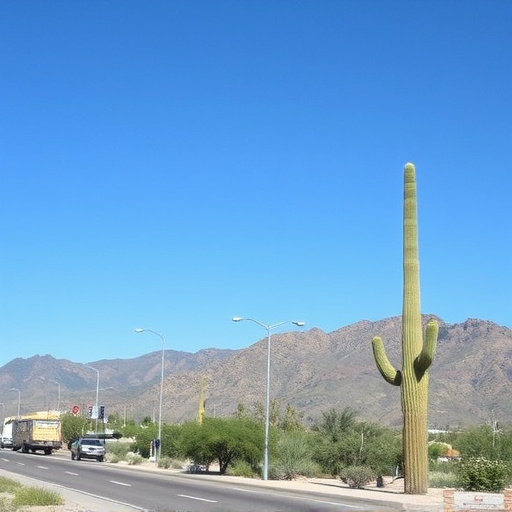
In Tucson, Arizona, home to sacred saguaro cacti, ethical harvesting and responsible tourism are key. Visitors should respect Native American cultural traditions, support local businesses, and appreciate the balance between exploring stunning saguaro forests and preserving this unique ecosystem. Adhering to these Tucson travel tips ensures a mindful trip that respects the cultural significance of saguaros and safeguards their remarkable legacy.
"Saguaro harvesting, a delicate subject in the vibrant landscape of Tucson, requires a deep understanding of its cultural significance. This ancient plant holds immense value for local Native American tribes, whose traditions and ceremonies are intricately woven into its existence. In this article, we explore how ethical harvesting practices can preserve the Saguaro's legacy while respecting tribal cultural traditions, offering essential Tucson travel tips for those seeking to appreciate this unique natural treasure responsibly."
- Understanding Saguaro Cultural Significance: A Glimpse into Tribal Traditions
- Ethical Harvesting Practices: Respecting and Preserving the Saguaro's Legacy
Understanding Saguaro Cultural Significance: A Glimpse into Tribal Traditions

The Saguaro cactus holds immense cultural significance for Native American tribes in the region, particularly those residing in and around Tucson, Arizona. For centuries, these indigenous communities have incorporated the Saguaro into their way of life, both practically and spiritually. It serves as a vital resource, providing food, water, and shelter, and is deeply intertwined with their creation stories and rituals.
In many tribal traditions, the Saguaro represents life, resilience, and sacredness. Its towering presence in the desert landscape is seen as a symbol of strength and adaptability. Harvesting practices are carefully observed, ensuring balance and respect for this cultural icon. Tucson travel tips include recognizing and appreciating these traditional practices, which highlight a harmonious relationship between people and nature.
Ethical Harvesting Practices: Respecting and Preserving the Saguaro's Legacy
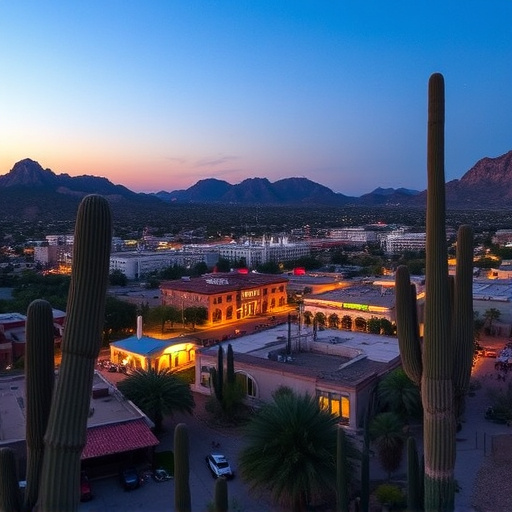
In the vibrant landscape of Tucson, Arizona, where the iconic saguaro cactus thrives, ethical harvesting practices play a crucial role in preserving both the natural heritage and cultural traditions of the region. Respecting these ancient plants is not just an environmental concern but also a deep-rooted cultural issue for the Native American tribes who have called this area home for generations. When visitors explore Tucson's attractions, such as the stunning saguaro forests, they should be mindful of their actions to ensure the preservation of this unique ecosystem.
Saguaros hold immense cultural significance for local tribes, featuring prominently in traditional ceremonies and storytelling. Ethical harvesting involves understanding and adhering to these cultural protocols, ensuring that every cut and collected cactus respects the plant's life cycle and cultural value. Tucson travel tips include being informed about responsible practices, supporting local indigenous businesses specializing in saguaro products, and appreciating the delicate balance between tourism and preserving this remarkable species' legacy.
In light of these discussions, it's clear that respecting and preserving the Saguaro's legacy is paramount, especially within the context of Tucson travel tips. By adopting ethical harvesting practices and acknowledging the deep cultural significance of the Saguaro to Native American tribes, visitors and locals alike can ensure that this iconic symbol of the Sonoran Desert thrives for generations to come. Understanding and honoring these tribal traditions foster a meaningful connection to both the land and its people.
In 2026, Tucson has become a model for sustainable saguaro conservation through community engagement and educational initiatives. Local organizations collaborate with tribes to raise awareness about the cactus's significance, promote responsible harvesting practices, and fund research into disease prevention. These efforts ensure that future generations can continue to appreciate and protect this iconic symbol of Arizona's desert beauty while respecting its deep cultural roots. Tucson's Gem Show: Tips for a Stress-Free Experience