This site shares Tucson travel tips: when to visit, how to handle the heat and monsoon season, the outdoor places and cultural sights worth your time, where to find Tucson’s food scene, and how to get around. The articles below go into specific places and seasons. This page is the overview.
When to visit
- Late fall through spring is peak season, with warm days and cool nights.
- Late January and February bring the Tucson Gem and Mineral Show and the Tucson Rodeo, and lodging fills up.
- Spring brings wildflowers and cactus blooms, and butterfly season at local gardens. See Tucson’s spring butterfly season.
- Summer is very hot, but early mornings, mountain escapes and lower hotel prices make it workable.
- Monsoon season (roughly mid-June to September) brings dramatic afternoon storms.
Handling the heat
- Plan hikes and outdoor sightseeing for early morning.
- Carry plenty of water, and wear a hat and sunscreen.
- Use midday for museums, shopping and long lunches.
- Escape to Mount Lemmon, where temperatures can be dramatically cooler than in the city.
See summer hikes that beat the heat.
Monsoon safety
Summer storms build quickly. Watch the sky in the afternoon, get off exposed ridges and out of washes when storms approach, and never drive or walk through flooded roads. Dust storms can drop visibility on highways; pull off as far as possible and wait. See preparing for monsoon hikes safely.
The outdoors
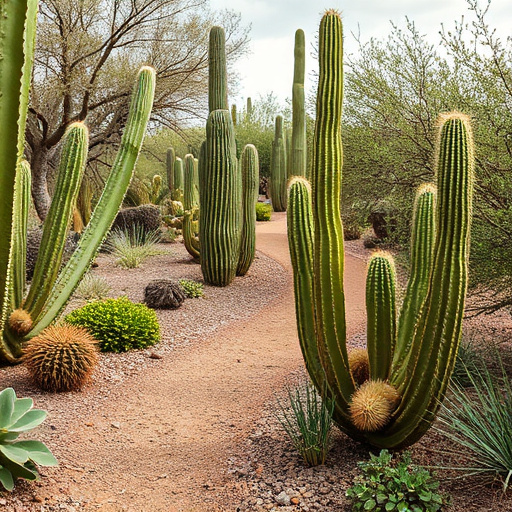
- Saguaro National Park has two districts, one on each side of the city, with scenic drives and trails through saguaro forest.
- Sabino Canyon in the Santa Catalina foothills, with trails, creeks and a tram.
- Mount Lemmon via the Catalina Highway, climbing from desert to pine forest.
- Tucson Mountain Park and the west side’s sunsets.
- Pima County parks and trails; see Pima County Parks and Recreation.
See Tucson’s outdoors from mountains to desert trails.
Culture and history
- The Arizona-Sonora Desert Museum, a combination zoo, botanical garden and natural history museum. See exploring wildlife responsibly.
- Mission San Xavier del Bac, an active mission church south of the city.
- Downtown and the historic barrios, with adobe homes, murals and museums.
- Tumacácori National Historical Park farther south, with mission ruins.
- Festivals such as the Tucson Rodeo and Tucson Meet Yourself. See tips for the Tucson Rodeo.
Food
Tucson was named a UNESCO City of Gastronomy, recognizing a food tradition that goes back thousands of years in the region. Look for Sonoran-style Mexican food, local ingredients like mesquite and prickly pear, and the Sonoran hot dog. The Mercado San Agustín area west of downtown is a good starting point. See savoring local flavors at Mercado San Agustín.
Where to stay
- Downtown and the Fourth Avenue area: walkable to restaurants, bars and the streetcar.
- The Catalina Foothills: resorts with mountain views and easy access to Sabino Canyon.
- The west side: closer to Saguaro National Park’s west district, the Desert Museum and Tucson Mountain Park.
- The east side: handy for the park’s east district and Mount Lemmon.
- Guest ranches and casitas on the edges of town for a quieter desert stay.
Book early for the Gem and Mineral Show, the rodeo and University of Arizona events, when rooms fill quickly and prices rise.
Getting around
- A car is the easiest way to reach parks and trailheads.
- The Sun Link streetcar connects downtown, the Fourth Avenue district and the University of Arizona.
- Downtown parking garages fill during big events; arrive early. See downtown parking tips.
- Expect to drive 30 to 60 minutes to reach many outdoor destinations.
Desert etiquette
- Stay on trails; desert soil crusts and plants recover slowly.
- Don’t touch or pick cactus, and keep a comb handy for removing cholla spines.
- Give wildlife space, including rattlesnakes, Gila monsters and javelina.
- Pack out everything you bring in.
Day trips
Popular day trips include wine country around Sonoita and Elgin, Patagonia and its birding, historic Tombstone and Bisbee, and Kartchner Caverns State Park. See the Sonoita wine country guide and the Arizona travel tips guide. Visit Tucson has event listings and visitor information.
For the basics in one place, see the complete guide to Tucson travel tips. The newest articles on this site are listed below.
Category: Tucson Travel Tips
Tucson Travel Tips — Complete Guide
Read more →
Tucson Travel Tips: Prepare for Monsoon Hikes Safely
Tucson Travel Tips emphasize waterproof gear for monsoon hikes: rain jackets, pants, boots, and acce.......
Read more →

Unlock Downtown Tucson Parking: Early Garage Tips & Tech
Tucson Travel Tips emphasize early arrival (before 10 am) to secure parking in downtown's bustl.......
Read more →

Tucson's Spring Butterfly Extravaganza: Travel Tips & Garden Guide
Tucson Botanical Gardens (TBG) offers a captivating spring destination for butterfly enthusiasts wit.......
Read more →
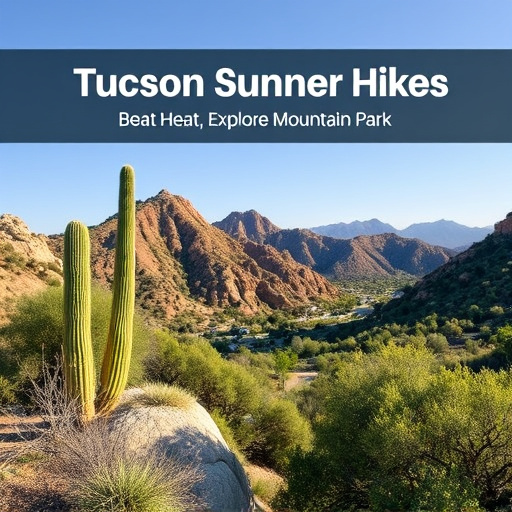
Tucson Summer Hikes: Beat Heat, Explore Mountain Park
Tucson's summer heat requires strategic planning for outdoor exploration. Tucson Travel Tips re.......
Read more →
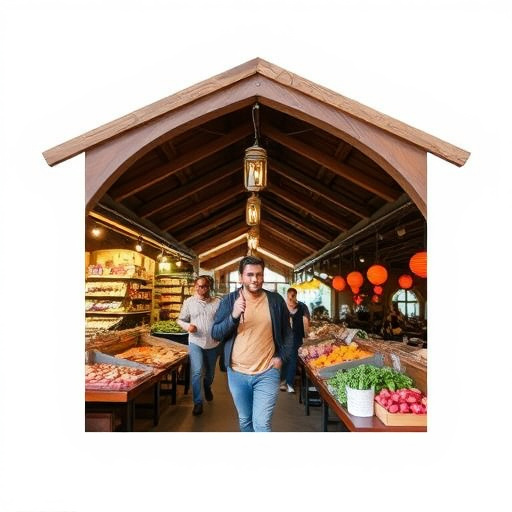
Tucson Travel Tip: Savor Local Flavors at Mercado San Agustin
Mercado San Agustín, Tucson's vibrant food hall, showcases diverse cuisines reflecting l.......
Read more →
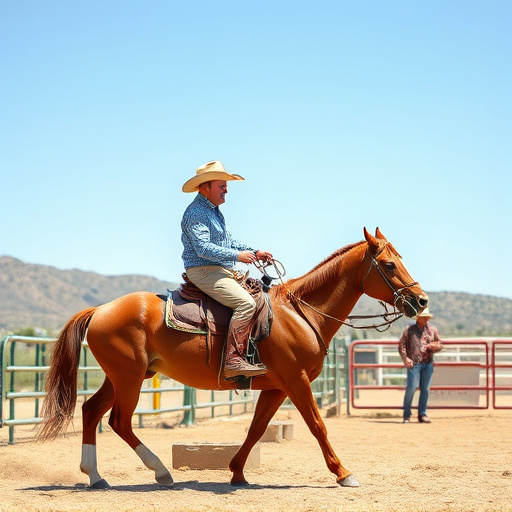
Tucson Rodeo: Sun Protection & Western Style Tips
Tucson's vibrant rodeo culture attracts visitors, who must prioritize Tucson travel tips for su.......
Read more →
Tucson Travel Tips: Explore Arizona's Wildlife Responsibly at Sonora Museum
The Arizona-Sonora Desert Museum near Tucson offers ethical wildlife viewing, showcasing native Sono.......
Read more →
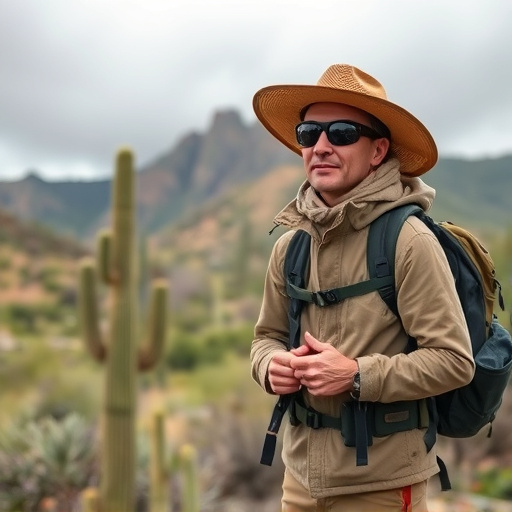
Tucson Monsoon Hikes: Essential Gear & Safety Tips for Travel
Tucson's monsoon season (July-September) offers unique hiking experiences but demands specific.......
Read more →