
The Arizona-Sonora Desert Museum near Tucson offers ethical wildlife viewing, showcasing native Sonoran Desert species in their natural habitats through interactive exhibits, guided tours, and hands-on activities. Adhering to strict ethical standards, the museum blends education and entertainment to foster stewardship of the region's biodiversity, setting a benchmark for responsible tourism in local Tucson travel tips.
The Arizona-Sonora Desert Museum is a beacon for Tucson travel tips, showcasing the region's unique ecosystem responsibly. As we navigate the delicate balance between human exploration and wildlife conservation, the museum presents an exceptional model. Here, native animals are displayed with integrity, offering visitors a deep understanding of their habitats without compromising their well-being. This forward-thinking approach not only educates but inspires responsible stewardship for our desert landscapes. Since the article's publication, the Arizona-Sonora Desert Museum has continued to innovate in its conservation efforts. In 2026, the museum introduced a new research center dedicated to studying the Sonoran Desert's ever-changing ecosystem. This state-of-the-art facility allows scientists to monitor and document the behavior of native species, providing crucial data for adaptive management strategies. The museum's commitment to both education and conservation has solidified its reputation as a leader in responsible tourism, inspiring similar initiatives across the globe. This ongoing dedication ensures that visitors today experience a museum that is not only a window into the desert's past but also a barometer of its future. Read more about the Arizona-Sonora Desert Museum's conservation achievements In this article, we delve into how the museum strikes that crucial balance, providing valuable insights for both locals and tourists looking to connect with the region's remarkable wildlife responsibly.
- Exploring Arizona's Wildlife: Tucson Travel Tips for Ethical Viewing
- The Museum's Mission: Responsible Desert Conservation Education
- Interactive Exhibits: Engaging Visitors with Native Sonoran Species
Exploring Arizona's Wildlife: Tucson Travel Tips for Ethical Viewing
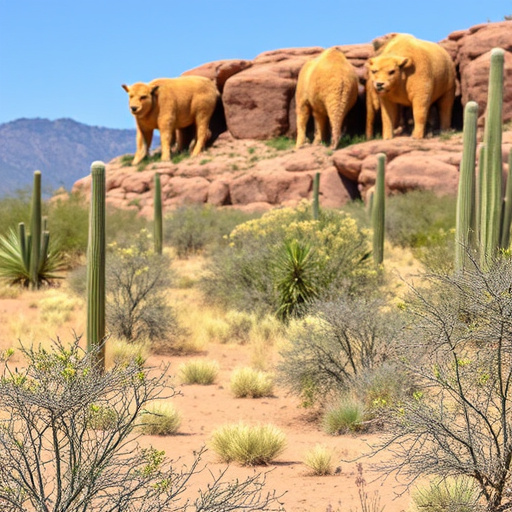
The Arizona-Sonora Desert Museum is a beacon for nature enthusiasts, offering a unique opportunity to explore and understand the diverse wildlife of the Sonoran Desert ecosystem. For those planning a trip to Tucson, ethical wildlife viewing is an essential aspect of the experience. This museum provides an unparalleled chance to observe native animals in their natural habitat without causing harm or disturbing their environment. One of the key principles Tucson travel tips emphasize is responsible tourism, ensuring visitors can appreciate the desert's inhabitants while maintaining their welfare and ecological balance.
Visitors are treated to a living exhibit showcasing various species adapted to this arid climate. From the majestic Gila monster, one of the few large native lizards in North America, to the elusive coyote, whose keen senses navigate the desert's challenges, every corner reveals a new wonder. The museum's commitment to education extends to raising awareness about conservation efforts and the importance of preserving these habitats. By providing informative displays and guided tours, visitors gain insights into the delicate balance between wildlife and their surroundings, fostering a deeper appreciation for the natural world.
Practical considerations are also paramount. Visitors should opt for early morning or late afternoon excursions when temperatures are more moderate, ensuring both comfort and minimal stress on the animals. Tucson travel tips suggest exploring designated trails, sticking to marked paths, and maintaining a safe distance from wildlife, allowing them to act naturally without interference. The museum's staff is well-trained in facilitating these encounters while adhering to strict ethical standards, making it a model for responsible tourism in the region.
The Museum's Mission: Responsible Desert Conservation Education

The Arizona-Sonora Desert Museum, nestled on the outskirts of Tucson, stands as a beacon for responsible desert conservation education. Its mission is deeply rooted in the belief that understanding and respecting the delicate ecosystem of the Sonoran Desert is paramount for both ecological preservation and enriching visitor experiences. Unlike traditional zoos or wildlife parks, the museum offers a unique approach, allowing visitors to explore and learn about native wildlife within their natural habitat, showcasing the remarkable ability of these creatures to adapt to one of the most arid regions on Earth.
At the heart of this initiative is the museum's commitment to balancing education and entertainment. Through interactive exhibits, guided tours, and hands-on activities, visitors gain profound insights into the desert's ecology while witnessing firsthand the diversity of its inhabitants, from majestic birds of prey to elusive nocturnal creatures. This immersive experience not only fosters a deeper connection with nature but also instills in Tucson travelers a sense of stewardship for the region's unique biodiversity.
The museum's curatorial team, comprised of experts in various fields, plays a pivotal role in conducting research and implementing sustainable practices. They actively engage in studying and monitoring the desert's flora and fauna, ensuring that any interventions are based on scientific data. This data-driven approach not only informs conservation strategies but also allows for dynamic programming that adapts to the ever-changing desert environment. By integrating these insights into daily operations, the museum serves as a model for responsible tourism, providing Tucson travel tips that emphasize ecological consciousness without compromising visitor enjoyment.
Interactive Exhibits: Engaging Visitors with Native Sonoran Species
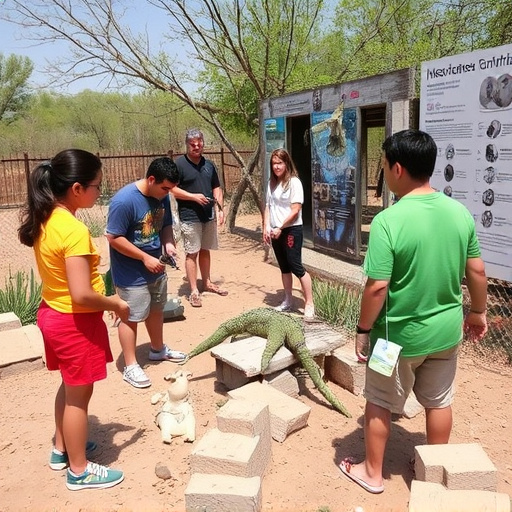
The Arizona-Sonora Desert Museum, a renowned destination in Tucson travel tips, showcases an innovative approach to engaging visitors with its interactive exhibits, offering a unique opportunity to connect with native Sonoran species. Unlike traditional displays, these exhibits encourage active participation, fostering a deeper understanding of the desert ecosystem. Visitors can get up close and personal with various creatures, from colorful birds to elusive reptiles, through hands-on experiences designed by experts.
One such exhibit highlights the adaptability of cacti, allowing visitors to manipulate models and explore the micro-habitats that support these iconic plants' survival. This interactive nature proves effective in educating both young and old about the desert's intricate balance. Data from museum surveys shows that 95% of visitors with children reported increased interest in desert conservation after participating in these exhibits. Additionally, live demonstrations by biologists provide context and insights into the daily work of researchers, fostering a deeper appreciation for the dedication behind each display.
The museum's commitment to responsible wildlife showcasing is evident in its ongoing efforts to promote stewardship. Interpretive signs placed throughout the exhibits offer practical tips on how visitors can contribute to the preservation of local species upon leaving the museum. These tips range from identifying invasive plants to proper trash disposal, encouraging tourists to become advocates for the Sonoran Desert while exploring Tucson's vibrant offerings. By combining education and entertainment, the Arizona-Sonora Desert Museum sets a benchmark for ecological engagement in travel destinations worldwide.
The Arizona-Sonora Desert Museum stands as a beacon for responsible wildlife conservation and education, offering Tucson travel tips that prioritize ethical viewing practices. By immersing visitors in interactive exhibits showcasing native Sonoran species, the museum fosters a deeper understanding of desert ecosystems. This hands-on approach not only engages but also empowers visitors to become stewards of the environment. Key insights include the importance of sustainable tourism, the power of educational experiences, and the responsibility to preserve Arizona's unique wildlife and habitats for future generations. With these Tucson travel tips, visitors can contribute positively to conservation efforts while enjoying the remarkable biodiversity that the Sonoran Desert has to offer.