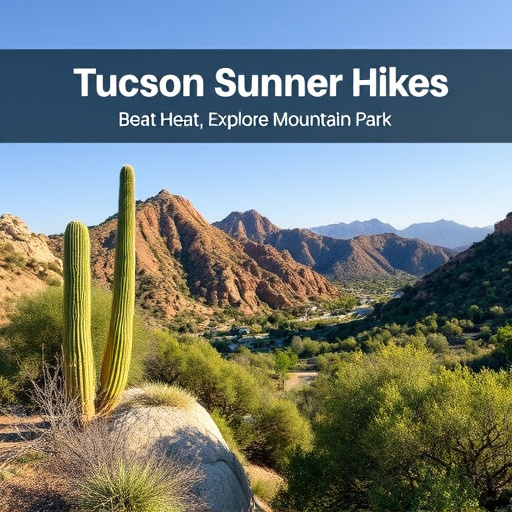
Tucson's summer heat requires strategic planning for outdoor exploration. Tucson Travel Tips recommend early morning or late afternoon hikes in Tucson Mountain Park to avoid peak temperatures. Key trails offer diverse landscapes and varying elevations for shade. Essential gear includes breathable clothing, water, sunscreen, and a first aid kit. Plan routes according to fitness level and enjoy the park's natural beauty while beating the heat safely.
Tucson is renowned for its vibrant outdoor scene, but navigating the intense summer heat can pose a challenge for adventurers. This is where Tucson Mountain Park’s extensive trail system becomes an invaluable asset. With careful planning, visitors can embrace the park’s stunning landscapes while avoiding the midday sun’s peak hours. Our article delves into this very topic, offering practical Tucson travel tips to ensure a comfortable and enjoyable experience. We’ll guide you through the best times to hike, highlight shaded routes, and provide insights to make your exploration of these natural wonders a refreshing adventure.
- Understanding Tucson's Climate: A Summer Guide
- Benefits of Early Morning Hikes in Tucson
- Exploring Tucson Mountain Park's Hidden Gems
- Best Times to Visit: Avoiding Peak Heat Hours
- Essential Gear for Beat-the-Heat Trails
- Local Expert Tips for Tucson Travel
Understanding Tucson's Climate: A Summer Guide
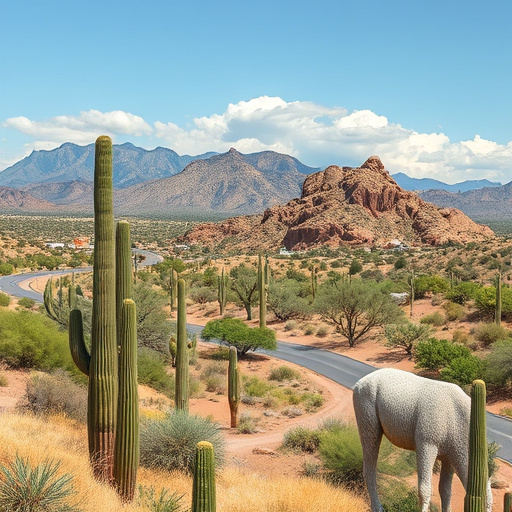
Tucson’s climate is characterized by distinct seasons, with summer bringing intense heat that can be challenging for outdoor enthusiasts. Understanding this seasonal shift is crucial for visitors planning Tucson travel tips, especially when exploring the city’s expansive natural spaces like Tucson Mountain Park. Midday summer temperatures often surpass 100°F (37.8°C), making it essential to seek cooler alternatives. The park’s diverse trail network offers a solution by providing various routes with varying elevations and shade levels, allowing visitors to avoid the harsh midday sun.
One effective strategy is to begin hiking early in the morning or late afternoon when temperatures are more moderate. Trails like the Mountain View Trail provide breathtaking vistas while offering a refreshing escape from the heat due to its higher elevation. Alternatively, the Whispering Pines Trail meanders through a dense pine forest, providing natural shade and a cooler microclimate. By choosing these routes, hikers can enjoy the park’s beauty without enduring the most intense thermal conditions.
Additionally, staying hydrated is paramount during summer months. Tucson receives minimal rainfall, so visitors should pack plenty of water and consider carrying a hydration pack for longer treks. Wearing lightweight, breathable clothing made from moisture-wicking materials also contributes to comfort and safety. By following these simple Tucson travel tips, adventurers can fully immerse themselves in the park’s wonders while safeguarding against the summer heat.
Benefits of Early Morning Hikes in Tucson
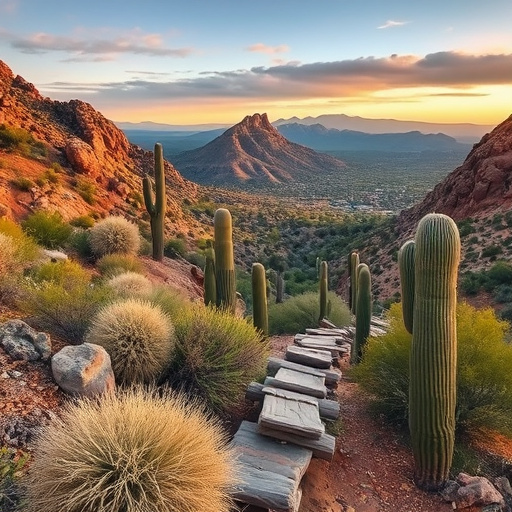
Tucson Mountain Park offers a respite from the intense summer heat, making it an ideal destination for early morning hikes. The park’s diverse trails cater to hikers of all levels, allowing visitors to escape the midday sun when temperatures peak. One of the key benefits of hiking in the early morning is the cooler climate, which provides a more comfortable and safer experience. According to local experts, the optimal time for hiking in Tucson is between 4:00 AM and 7:00 AM when temperatures are typically around 60-70°F (15-21°C), a far cry from the day’s scorching heat.
Early morning hikers can expect to immerse themselves in the park’s vibrant ecosystem as the sun gently rises over the rugged landscapes. This time offers a unique opportunity to observe the park’s diverse flora and fauna, many of which are most active during these quiet hours. Tucson Travel Tips recommend bringing a camera to capture the breathtaking views and the park’s resident wildlife, including various bird species and the occasional deer. The cooler temperatures also reduce the risk of heat-related illnesses, allowing hikers to fully enjoy their adventure without interruption.
Additionally, starting your hike early gives you the advantage of beating the crowds. Tucson Mountain Park becomes a peaceful sanctuary when the city awakes, providing a sense of solitude and tranquility. This is particularly beneficial for those seeking a meditative experience or a chance to connect with nature away from the hustle and bustle of daily life. By embracing the early morning hikes, visitors can unlock a different perspective of the park and create lasting memories in one of Tucson’s most cherished natural gems.
Exploring Tucson Mountain Park's Hidden Gems
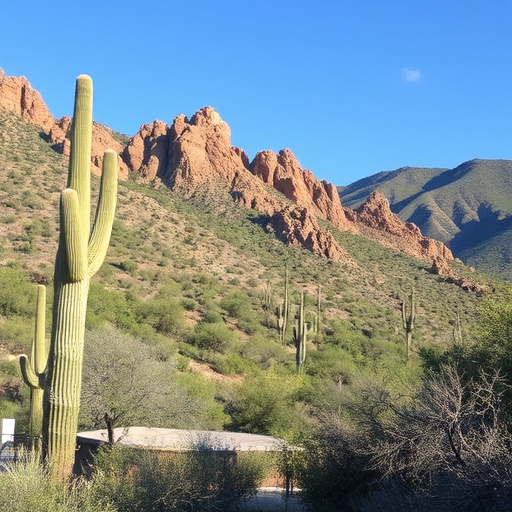
Tucson Mountain Park, a sprawling urban oasis, offers a haven from the city’s scorching summer temperatures. With a diverse network of trails winding through canyons, peaks, and desert landscapes, it’s a paradise for outdoor enthusiasts seeking to escape the midday heat. Exploring these hidden gems requires a strategic approach, as some paths can be less traveled but equally rewarding.
For those looking to delve into the park’s secrets, starting early in the morning or late afternoon is key. The sun’s rays are milder during these times, making it safer and more comfortable for hikers and nature lovers. Tucson travel tips suggest planning your visit accordingly to fully appreciate the park’s natural beauty without the discomfort of extreme heat. A moderate trail like the Canyon Del Vedra Loop provides a perfect introduction, showcasing the area’s distinctive flora and fauna while offering stunning views of the surrounding mountains.
Navigating these trails requires a sense of adventure and an openness to discovering unexpected wonders. Along the way, visitors may stumble upon secluded pools, hidden waterfalls, or even ancient rock art sites that provide a glimpse into the region’s rich history. The park’s tapestry of ecosystems varies from lush forests to arid desert landscapes, making each trail unique. For instance, the Bear Creek Trail meanders through a verdant canyon, while the Rincon Peak Trail offers a challenging yet rewarding hike with panoramic vistas.
By seeking out these hidden gems, visitors can escape the hustle and bustle of the city and immerse themselves in nature’s symphony. The Tucson Mountain Park trails provide an unparalleled experience, especially during summer when the city’s temperatures soar. Remember that preparation is key; bring adequate water, wear appropriate footwear, and be ready to embrace the beauty that awaits those willing to explore beyond the beaten path.
Best Times to Visit: Avoiding Peak Heat Hours

Tucson Mountain Park offers a diverse network of trails that cater to outdoor enthusiasts of all levels. However, given its desert location, navigating the heat is a key Tucson travel tip for visitors and locals alike. To fully enjoy these scenic routes without succumbing to the midday summer sun, aim to arrive early in the morning or late afternoon. Peak heat hours typically span from 10 AM to 4 PM, during which temperatures can soar above 100°F (38°C).
Early risers will find that the cooler temperatures make for a more pleasant hiking experience, allowing them to appreciate the park’s flora and fauna without fatigue. For those who prefer to explore in the late afternoon, the setting sun offers a dramatic backdrop, casting long shadows that mitigate the heat. This period also provides an opportunity to observe wildlife as they become more active as the day cools down.
To maximize your time, consider planning your visit during the shoulder seasons (spring or fall) when temperatures are milder and trails are less crowded. By avoiding peak heat hours and utilizing these Tucson travel tips, visitors can fully immerse themselves in the park’s natural beauty while minimizing the risks associated with excessive heat exposure.
Essential Gear for Beat-the-Heat Trails

Tucson Mountain Park offers a vast network of trails that cater to outdoor enthusiasts seeking an escape from the intense midday summer heat. To make the most of your hike while staying safe, it’s crucial to pack essential gear designed for hot-weather hiking. The right attire and accessories can transform your experience, enabling you to immerse yourself in the park’s breathtaking landscapes without succumbing to the sweltering temperatures that often characterize Tucson’s summers.
One of the primary considerations is light, breathable clothing. Opt for moisture-wicking fabrics like polyester or nylon blends that dry quickly if drenched in sweat. Long sleeves and pants protect against sunburn and the potential for insect bites. Tucson Travel Tips recommend using a wide-brimmed hat and sunglasses to shield your face and eyes from direct sunlight. Additionally, sunscreen with a high SPF is non-negotiable; reapply frequently to prevent sun damage.
Hydration is another critical aspect of beating the heat. Always carry enough water for your hike, and consider using a hydration pack or backpack equipped with a water reservoir for easy access. The National Park Service advises that in hot conditions, you should aim to drink 1-2 liters of water per hour to replace lost fluids. Lastly, don’t forget to pack a first aid kit tailored for heat-related illnesses, including items like electrolyte tablets and a cool compress to treat heat exhaustion or stroke symptoms.
Local Expert Tips for Tucson Travel
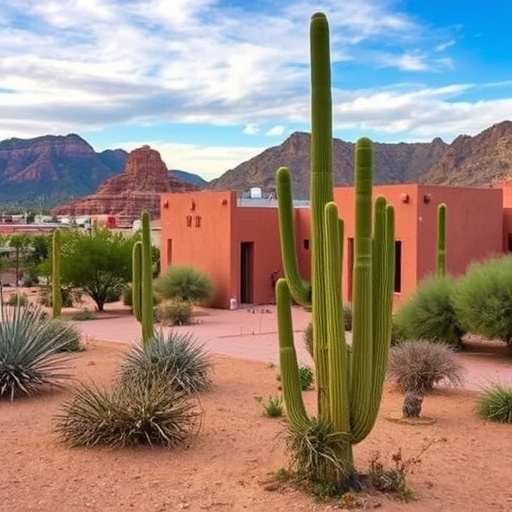
Tucson Mountain Park offers a respite from the intense summer heat that can make outdoor exploration challenging in the Sonoran Desert. Local experts recommend early morning or late afternoon hikes to avoid the peak temperature, which often exceeds 100°F (38°C) during July and August. The park’s diverse trails cater to hikers of all levels, providing an opportunity to experience the region’s stunning landscapes and rich ecological diversity. For Tucson travel tips, consider these insights from seasoned adventurers who have navigated the park’s labyrinthine paths.
One strategic tip is to plan your hike for the cooler hours, such as starting before sunrise or after sunset. This not only beats the heat but also offers a chance to witness the park’s unique nocturnal creatures, like desert tortoises and various bat species. Additionally, wearing lightweight, breathable clothing and applying broad-spectrum sunscreen with a high SPF is essential. Hydration is crucial; bring ample water and consider carrying a portable filter or purification tablets for access to clean drinking water along the trails.
Exploring Tucson Mountain Park requires preparation, but the rewards are immense. The park’s 60 miles of maintained trails wind through desert scrublands, oak forests, and even rugged mountain peaks, offering breathtaking vistas and diverse ecosystems. Local experts suggest mapping out a route that aligns with your fitness level and interests, whether it’s a leisurely walk through the forest or a demanding peak climb. Remember to respect the park’s natural environment by adhering to designated trails and leaving no trace of your passage.
Tucson’s vibrant outdoor scene, particularly Tucson Mountain Park, offers a refreshing escape from the intense summer heat for those in the know. By understanding the city’s climate and following expert tips, visitors can maximize their time exploring nature’s hidden gems while avoiding the peak heat hours. Early morning hikes provide a beneficial and serene experience, and being equipped with the right gear ensures comfort and safety. These Tucson travel tips empower visitors to navigate the trails with confidence, allowing them to fully appreciate the park’s stunning landscapes and vibrant ecosystem, all while beating the midday summer sun.