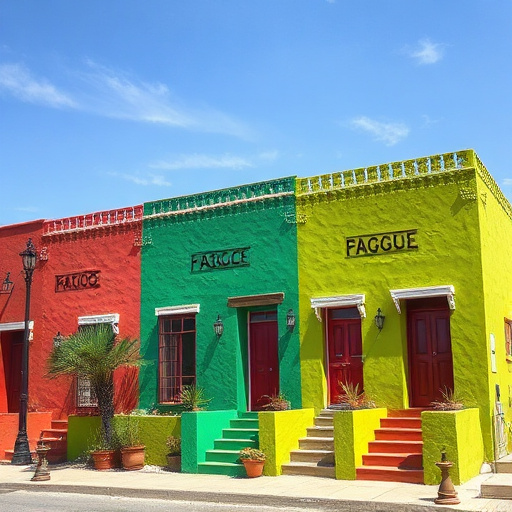
Tucson, a vibrant city in southern Arizona, has emerged as a destination not just for its stunning natural landscapes, like the iconic Saguaro National Park east and west, but also for its rich culinary scene. The city's diverse food culture, from traditional Sonoran hot dogs to authentic Mexican cuisine, is a sign of its unique blend of history and modern influences.
While Tucson offers a plethora of dining options, from historic Fourth Avenue to the serene Tohono Chul gardens, visitors often struggle to navigate this gastronomic landscape. This article aims to provide a practical guide, highlighting the city's culinary treasures and offering insights into why Tucson deserves its reputation as a true City of Gastronomy. We'll explore local gems, cultural influences, and seasonal delights, all while considering the best times to visit, from the warmth of summer to the cooler winter days.
- Tucson's Culinary Scene: A Diverse Mix
- Local Flavors: The Role of Sonoran Desert Ingredients
- Exploring Eco-Friendly Food Practices in Tucson
- Tohono Chul Gardens: A Center for Sustainable Cuisine
Tucson's Culinary Scene: A Diverse Mix

Tucson's culinary scene is a diverse mix woven with influences from across southern Arizona and around the world. Downtown Tucson, with its historic Fourth Avenue and vibrant Barrio Viejo, is a foodie's paradise teeming with restaurants that reflect the city's rich cultural heritage. Here, you'll find everything from authentic Mexican cuisine, featuring the famous Sonoran hot dogs, to innovative farm-to-table fare inspired by the region's vibrant agricultural landscape. The city's unique blend of cuisines is a sign of its diverse population and rich history.
One standout culinary experience is a visit to Tohono Chul Gardens, a stunning desert botanical garden that offers not only breathtaking natural beauty but also a unique culinary journey. The gardens' restaurants and cafes showcase local produce and artisanal foods, providing a taste of the region's bounty. The gardens' annual Gem and Mineral Show attracts visitors from across the country, many of whom stay for the culinary delights that complement the mineral displays. This blend of nature and gastronomy is a hallmark of Tucson's appeal.
Tucson's culinary scene extends beyond its vibrant downtown core. Day trips to nearby areas, such as the serene Sabino Canyon and the rugged Santa Catalina Mountains, offer opportunities to sample local specialties at scenic eateries. The city's renowned wineries and breweries, including those visited by a private winery and brewery tour company in Tucson, add another layer to the gastronomic experience. Southern Arizona's unique climate and geography foster an array of culinary delights, making Tucson a true City of Gastronomy.
Travel tips for exploring Tucson's culinary scene include planning your visits according to the seasons. Summer brings a vibrant food truck scene, while winter offers cozy dining experiences. Staying in accommodations near downtown or in neighborhoods like the historic West Side allows for easy access to a wide range of restaurants. Utilizing public transportation, such as the Sun Link streetcar, or exploring the city on foot, adds to the adventure. Whether you're a food enthusiast or simply looking to experience the best that Tucson has to offer, these tips and the city's diverse culinary landscape will ensure a memorable journey.
Local Flavors: The Role of Sonoran Desert Ingredients
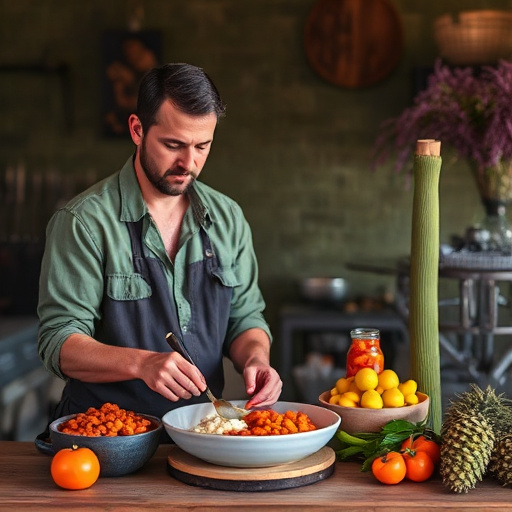
Tucson's vibrant food scene is a sign of the unique flavors and ingredients found in the Sonoran Desert. Local chefs embrace the region's bounty, creating dishes that highlight fresh, seasonal produce, and distinctive regional specialties. The vast, diverse landscape of eastern and western Tucson, from the rugged Santa Catalina Mountains to the vast open spaces of Marana, offers a plethora of ingredients that have shaped the city's culinary identity.
One prime example is the iconic Sonoran hot dog, a street food staple that epitomizes Tucson's culinary spirit. This local favorite, often topped with pinto beans, cheese, and a squeeze of lime, is a simple yet delicious fusion of Mexican and American influences. Similarly, Tucson's Mexican cuisine is renowned for its distinct flavors, featuring spicy chiles, fragrant herbs, and vibrant salsas that reflect the region's rich cultural heritage. Eco Buzz Tours' food-focused tours often highlight these local flavors, providing visitors with a taste of Tucson's culinary landscape.
Tucson's gardens and farms also play a vital role in sustaining this vibrant food culture. The Tohono Chul Gardens, for instance, showcases the region's native plants and serves as a living classroom for culinary enthusiasts. Here, visitors can learn about the edible desert plants that have been a staple in the diet of the indigenous Tohono O'odham people for centuries. These gardens, along with local farms, provide fresh, sustainable produce that many restaurants feature on their menus, ensuring that Tucson's food scene remains connected to its rich environmental heritage.
The city's culinary offerings extend beyond its diverse cuisine. Tucson's vibrant dining scene, from cozy bistros to bustling food halls, offers a range of experiences. Exploring the historic Fourth Avenue or the charming Barrio Viejo neighborhood, visitors can indulge in a variety of dining options, from artisanal coffee shops to award-winning breweries. Even in the colder months, Tucson's culinary scene thrives, with cozy restaurants serving hearty comfort foods and local wines, while the warmer seasons bring al fresco dining and vibrant street food festivals, like the All Souls Procession, celebrating the city's unique culture and culinary traditions.
Exploring Eco-Friendly Food Practices in Tucson
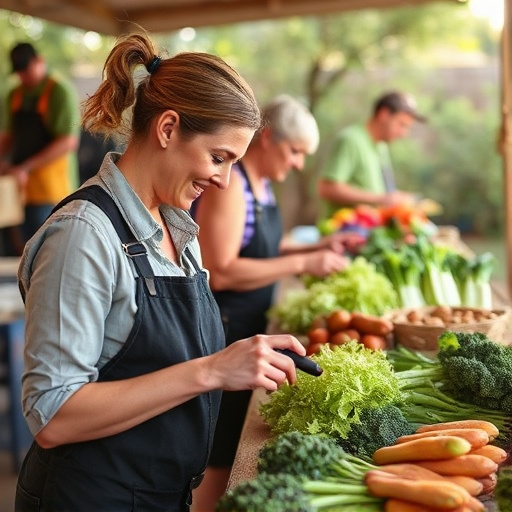
Tucson, a vibrant city in southern Arizona, is renowned for its rich culinary culture, a sign of the region's unique blend of Native American, Mexican, and modern American influences. Among its many accolades, Tucson has been declared the City of Gastronomy, a title that highlights its commitment to sustainable and locally sourced food practices. This commitment is not just a trend but a deep-rooted philosophy embraced by many local businesses, from farmers' markets to fine dining establishments.
One of the driving forces behind Tucson's eco-friendly food movement is the Tohono Chul Gardens, a stunning 8-acre botanical garden showcasing the region's diverse flora. The gardens' culinary programs emphasize sustainable agriculture and native plant conservation, offering visitors a chance to learn about the local food ecosystem. By focusing on what grows naturally in the Sonoran Desert, Tucson's chefs and farmers have created a thriving, resilient food culture. This approach extends beyond the garden; many restaurants and markets throughout the city prioritize locally sourced ingredients, reducing food miles and supporting local farmers. The popular farmers' markets in Oro Valley and Marana not only provide a platform for local growers but also encourage a direct relationship between producer and consumer.
Tucson's commitment to sustainable food practices is further evident in its embrace of seasonal and foraged ingredients. The city's culinary scene encourages the use of what's available locally and in season, ensuring that dishes are not only delicious but also environmentally conscious. This mindset aligns perfectly with the city's natural surroundings, including the Santa Catalina Mountains, where many foraged ingredients like wild mushrooms and berries can be found. A local southern Arizona tour guide often points out the edible plants and herbs growing alongside the trails, showcasing the abundance of natural resources right outside the city's door. By embracing these practices, Tucson not only offers a unique culinary experience but also contributes to the preservation of its precious natural landscapes.
Tohono Chul Gardens: A Center for Sustainable Cuisine
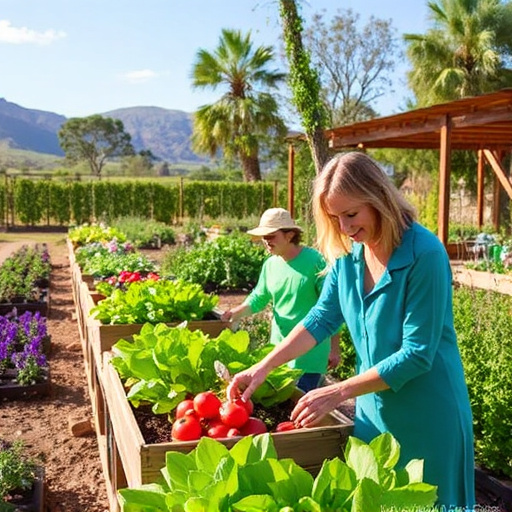
Tucson, a vibrant city in southern Arizona, is renowned for its rich culinary culture, earning its title as a City of Gastronomy. Among the many culinary hotspots, Tohono Chul Gardens stands out as a unique destination, blending art, nature, and gastronomy in a sustainable setting. This remarkable garden is not just a visual feast but also a hub for exploring the region's diverse and delicious cuisine.
For visitors looking to examine deeper into Tucson's culinary scene, a trip to Tohono Chul Gardens offers a sensory experience like no other. The garden's focus on sustainable practices extends to its culinary offerings, showcasing the best of local, seasonal produce. Here, guests can sample authentic Sonoran hot dogs, a beloved Tucson staple, or indulge in traditional Mexican fare with a modern twist. The garden's restaurant, with its outdoor seating, provides the perfect ambiance to savor the flavors of southern Arizona while enjoying a refreshing beverage, such as a locally brewed craft beer.
As a local southern Arizona tour guide would advise, Tohono Chul Gardens is not just a place to eat; it's an immersive experience. The garden's visitor guide recommends spending time exploring the various exhibits, which often feature local artists and culinary experts. You can participate in cooking classes, learn about sustainable gardening, or simply wander through the meticulously designed landscapes. The garden's commitment to environmental stewardship is evident in its edible landscapes, where you can pick fresh herbs and vegetables while learning about their culinary uses. These unique experiences make Tohono Chul Gardens a must-visit for anyone interested in the intersection of art, nature, and cuisine.
Frequently Asked Questions About a look at Tucson food and why it is a City of Gastronomy
What makes Tucson unique in terms of its culinary scene? Tucson's culinary scene is renowned for its vibrant blend of traditional Sonoran cuisine, Mexican, Native American, and contemporary American influences. This unique mix is a result of the city's rich cultural history and its location at the crossroads of various trade routes. The local food reflects the diverse communities that have called Tucson home over the centuries, making it a true gastronomic melting pot.
Is Tucson considered a foodie destination? Absolutely! Tucson has established itself as a prominent foodie destination, even earning the title "City of Gastronomy." Its restaurants, food trucks, and markets offer a diverse range of culinary experiences, attracting food enthusiasts from around the world. The city's thriving food scene is a sign of the passion and creativity of its local chefs and food artisans.
What is Sonoran cuisine, and why is it significant in Tucson? Sonoran cuisine is a distinct culinary tradition native to the Sonoran Desert region, which includes parts of Arizona and Mexico. It is characterized by bold flavors, fresh ingredients, and cooking techniques passed down through generations. In Tucson, Sonoran cuisine is a cornerstone of the local food culture, featuring dishes like enchiladas, tamales, and carne asada, which have become iconic representations of the city's culinary identity.
How does Tucson's climate influence its food? Tucson's hot, arid climate matters in shaping its food culture. The region's unique growing conditions foster the production of an array of fresh, locally grown produce, such as citrus fruits, peppers, and various vegetables. This abundance of seasonal ingredients inspires local chefs to create innovative dishes that highlight the flavors of the region.
Are there any specific food festivals or events in Tucson? Tucson hosts several food festivals and events throughout the year, celebrating its rich culinary heritage. One notable event is the Tucson Food & Wine Festival, which showcases the city's diverse food scene with tastings, cooking demonstrations, and live music. The annual Arizona Culinary Festival is another highlight, featuring local chefs and their innovative dishes, as well as workshops and educational sessions.
What are some must-try dishes for visitors to Tucson? Visitors to Tucson should definitely try traditional Sonoran specialties like chimichangas, a crispy taco-like dish filled with meat and beans; nacos, similar to nachos but with a Sonoran twist; and carne asada, a juicy grilled steak. Exploring the city's food trucks and markets is also a must, as they offer a diverse range of local favorites, from authentic Mexican street tacos to creative vegetarian options.
Tucson's culinary landscape is a vibrant mix woven with threads of diverse cultures and the unique flavors of the Sonoran Desert. By embracing local ingredients and sustainable practices, the city has established itself as a true City of Gastronomy. This article has explored the richness of Tucson's food scene, from its rich culinary history to its commitment to eco-friendly food production. We've seen how the region's distinctive climate and ecosystems shape the local palate, as exemplified by the diverse offerings at Tohono Chul Gardens, which highlights sustainable cuisine.
Key insights include the importance of Sonoran hot dogs and Tucson Mexican food as cultural cornerstones, the historical significance of Missions and Fourth Avenue, and the city's growing reputation for gastronomic tourism. By promoting local produce, traditional recipes, and innovative culinary techniques, Tucson offers a unique dining experience that reflects its rich heritage and commitment to environmental stewardship. Moving forward, the city's focus on sustainable food practices, as seen at Tohono Chul Gardens, ensures that Tucson's culinary charm will continue to flourish and inspire future generations.
Tucson's culinary scene is a celebration of regional diversity, blending Native American, Mexican, and modern American influences. Tohono Chul Gardens, a 8-acre botanical wonder, acts as a culinary hub, showcasing local produce and sustainable practices. The city embraces seasonal ingredients, foraged from its surrounding landscapes, and supports local farmers through farmers' markets and restaurants prioritizing locally sourced ingredients. Tucson's diverse dining scene, from food halls to cozy bistros, offers experiences reflecting its unique culture and culinary traditions.