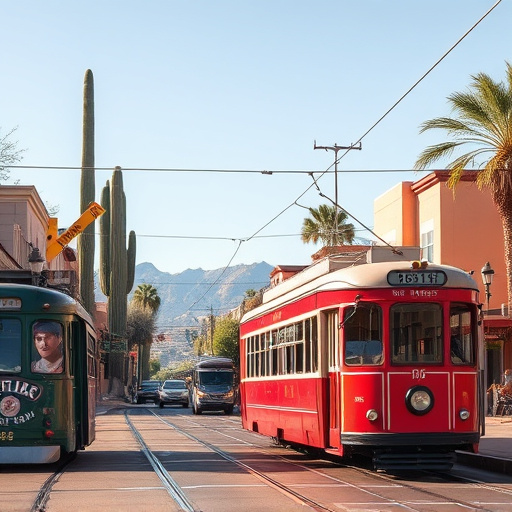
Tucson's cultural corridor, University Boulevard, boasts diverse attractions connected by an efficient streetcar system. Key museums, theaters, and historical sites include the University of Arizona Museum of Art, Tucson History Museum, Leo A. Goodman Theatre, African American Historical Society Museum, and Jewish Historical Society. The Tucson Travel Tips app enhances navigation with real-time schedules and personalized recommendations. Streetcar routes offer cultural immersion, showcasing Tucson's neighborhoods from South Park to the historic West Side. Tucson travel tips include planning routes, downloading the transit app, and exploring on foot for an optimized experience of the city's artistic and historical gems.
Tucson’s vibrant cultural scene is a treasure for visitors and locals alike, but navigating the city’s diverse attractions can be a challenge. Tucson Travel Tips aim to rectify this with an in-depth look at how streetcars seamlessly connect some of the University of Arizona’s most captivating cultural destinations. By understanding these routes, travelers and enthusiasts alike can optimize their exploration, ensuring they experience the very heart of Tucson’s rich cultural tapestry. This guide offers valuable insights for those seeking to immerse themselves in the city’s unique offerings.
- Discover Tucson's Cultural Hub: University Attractions Overview
- Planning Your Route: Streetcar as Your Personal Guide
- Top Cultural Destinations: A Deep Dive into Tucson's Heritage
- Navigating the City: Tips for Efficient Streetcar Travel
- Tucson Travel Tips: Maximizing Your Cultural Experience
Discover Tucson's Cultural Hub: University Attractions Overview
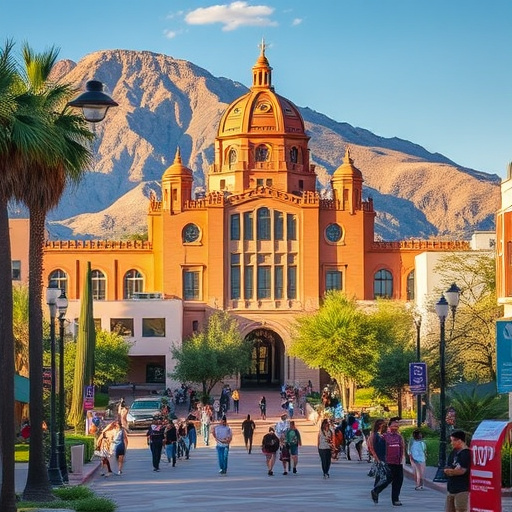
Tucson’s cultural attractions along University Boulevard form a vibrant hub that offers visitors and residents alike a diverse range of artistic and historical experiences. This scenic route, dotted with historic landmarks and modern amenities, serves as a testament to the city’s rich heritage and dynamic cultural scene. Among the notable stops are the University of Arizona Museum of Art, featuring both contemporary and classical exhibits, and the Tucson History Museum, which showcases the region’s unique history and indigenous cultures.
The University attractions also include diverse performance venues like the Leo A. Goodman Theatre, hosting a variety of plays, concerts, and community events throughout the year. Additionally, nearby cultural centers such as the African American Historical Society Museum and the Jewish Historical Society offer intimate insights into specific communities’ journeys, enriching visitors’ Tucson travel tips experiences. These institutions not only preserve local history but also foster cultural exchange and understanding.
Navigating this cultural corridor is made convenient by efficient streetcar routes, providing a sustainable and scenic way to explore. The Tucson Streetcar connects these attractions seamlessly, allowing visitors to immerse themselves in the city’s artistic and historical narrative. Whether you’re an art aficionado, history buff, or simply looking to soak up the vibrant energy of Tucson, exploring these university attractions is a must, offering a profound glimpse into the heart and soul of this captivating desert metropolis.
Planning Your Route: Streetcar as Your Personal Guide
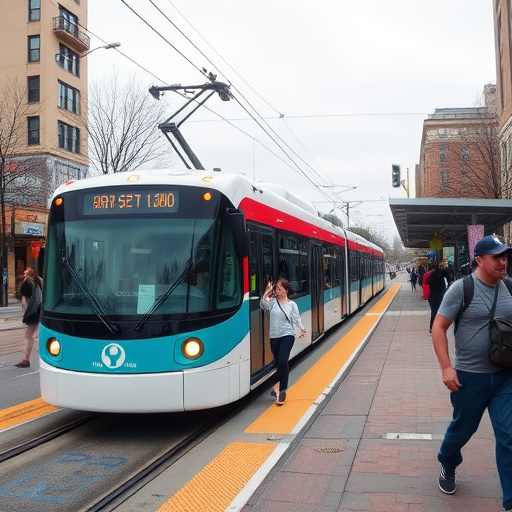
Planning your route through Tucson’s vibrant cultural attractions is simpler than ever with the city’s efficient Streetcar system serving as your personal guide. The 28-stop loop connects iconic landmarks, world-class museums, historic neighborhoods, and diverse dining destinations, offering both residents and visitors an accessible way to explore. According to recent data, over half a million riders have used the Tucson Streetcar since its inception, testifying to its growing popularity as a mode of transportation and sightseeing tool.
To make the most of your journey, consider downloading the official Tucson Travel Tips app, which integrates real-time Streetcar schedules and offers personalized recommendations based on your interests. The app’s route planner allows you to customize stops, ensuring you catch every highlight along the line. For instance, start at the historic downtown station, visit the University of Arizona Museum of Art, then meander through the lively markets at the Plaza, sampling local delicacies as you go. As you travel, take in the city’s unique architecture and vibrant street art, all while enjoying the comfort and efficiency of the Streetcar.
Beyond cultural immersion, the Streetcar provides a convenient way to navigate Tucson’s diverse neighborhoods. Want to experience the lively atmosphere of a local neighborhood? Hop off at one of the many community stops and immerse yourself in the daily life of residents. From the trendy restaurants and boutique shops of South Park to the historic charm of the West Side, each stop offers a distinct flavor of Tucson. Remember, the Streetcar isn’t just about reaching your destination; it’s an experience in itself.
Top Cultural Destinations: A Deep Dive into Tucson's Heritage
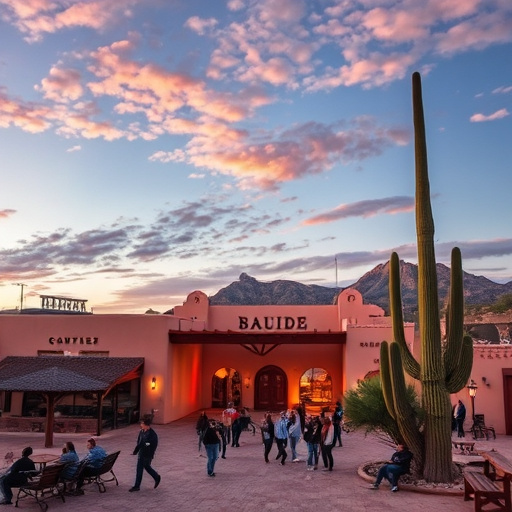
Tucson’s cultural landscape is a vibrant tapestry woven with historic sites, museums, and artistic gems. For visitors seeking to delve into the city’s rich heritage, certain streets stand out as arteries to these top cultural destinations. The streetcar routes connecting various neighborhoods offer an authentic Tucson travel experience, allowing explorers to navigate the city’s diverse cultural offerings efficiently. One such route, for instance, takes travelers through the historic downtown area, where they can wander through the University of Arizona Museum of Art, showcasing a collection that spans centuries and continents.
Further along the line, visitors will encounter the Tucson Museum of History & Art, housed in a stunning architectural masterpiece. This museum offers a deep dive into the region’s cultural heritage, with exhibits detailing Native American traditions, early settlers’ stories, and the city’s artistic evolution. Tucson travel tips encourage exploring these museums, as they provide invaluable insights into the community’s past and present. For those fascinated by the natural world, the Desert Museum is a must-visit, blending art and science to educate visitors about the Sonoran Desert ecosystem.
Additionally, Tucson’s vibrant arts scene comes alive along these streetcar routes. Local galleries, such as the Arizona Visual Arts Museum, display works from both established and emerging artists, reflecting the city’s dynamic cultural spirit. Exploring these cultural destinations not only offers a comprehensive understanding of Tucson but also encourages visitors to embrace the city’s unique character. By utilizing the efficient public transportation system, travelers can immerse themselves in Tucson’s rich tapestry of history, art, and natural beauty.
Navigating the City: Tips for Efficient Streetcar Travel
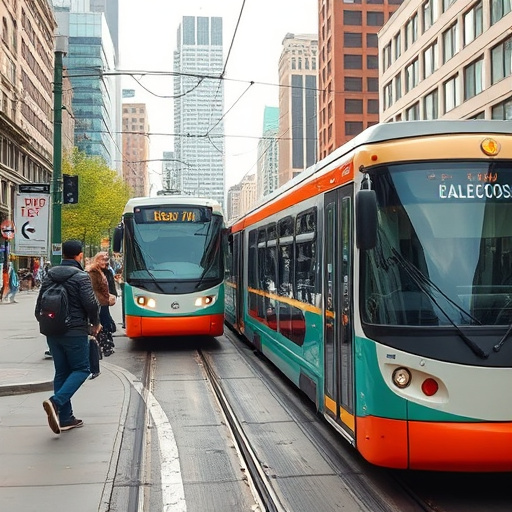
Navigating Tucson’s vibrant cultural landscape just became easier with the introduction of the Streetcar routes, designed to connect key attractions and neighborhoods. For visitors and locals alike, understanding how to efficiently travel by streetcar is essential for an enjoyable experience in this charming city. Here are some practical tips derived from the expertise of local transit authorities and frequent riders to ensure your Tucson travel experience is smooth and enriching.
First, familiarize yourself with the route maps available at all streetcar stops and on the official Tucson Transportation web portal. These resources offer detailed information about each line’s path, including notable landmarks and cultural attractions it passes. By planning your journey in advance, you can optimize your time and make informed decisions about which stops to alight at. For instance, the Blue Line connects downtown Tucson with the University of Arizona campus, offering easy access to museums, historical sites, and the vibrant student life that defines this area.
Second, consider downloading the Tucson Transit app, a valuable tool for real-time tracking and trip planning. This application provides up-to-date information on streetcar schedules, allowing you to anticipate wait times and make timely connections. Additionally, it enables users to purchase fares in advance, eliminating the need for cash or cards at stations. Efficiently managing your travel time is particularly crucial during peak hours when streetcars run more frequently but also experience higher passenger volumes.
Lastly, Tucson’s Streetcar system encourages a unique way of exploring the city—on foot. After boarding, observe the diverse neighborhoods and cultural gems that line the route. From historic architecture in the Downtown area to the lush gardens at the University, every stop offers a chance to immerse yourself in Tucson’s rich tapestry. Consider alighting at stops that pique your interest, allowing for spontaneous discoveries and an opportunity to engage with local attractions beyond the typical tourist path.
Tucson Travel Tips: Maximizing Your Cultural Experience
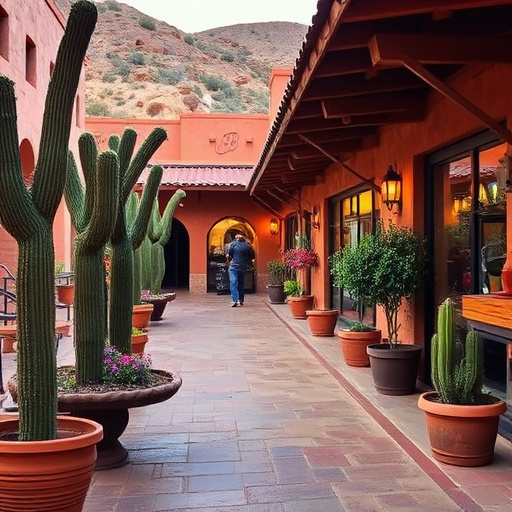
Tucson’s vibrant cultural landscape is easily accessible through its extensive streetcar network, offering a unique way to explore the city’s diverse attractions. For visitors seeking to maximize their cultural experience in Tucson, understanding how to leverage these transit options is key. The streetcar routes connect several renowned museums, art galleries, and historic sites, allowing travelers to embark on an immersive journey through the city’s rich heritage.
One of the standout features of Tucson travel tips for cultural enthusiasts is the convenience offered by the Modern Streetcar Line. This iconic route meanders through the heart of downtown, linking popular destinations like the University of Arizona, the Tucson Museum of Art and History, and the historic Paseo del Sol. By utilizing this efficient transportation system, visitors can easily navigate between these cultural hotspots, immersing themselves in the city’s artistic and historical offerings. For instance, a trip along the streetcar line could commence at the UA, where one might attend a performance at the Lensic Performing Arts Center, followed by an exploration of contemporary art exhibits at the Phoenix Art Museum’s Tucson location.
Additionally, the streetcar network provides access to diverse cultural events and festivals held throughout the year. From the vibrant DesertX art installations to the historic Old Town Tucson Fiesta, these transportation links ensure that visitors can participate in the city’s dynamic cultural calendar with ease. By planning their itinerary around these routes, travelers can optimize their time, ensuring they experience the very best that Tucson has to offer in terms of arts, culture, and history.
By effectively planning your streetcar routes, you can efficiently navigate Tucson’s vibrant cultural landscape. This article has provided an in-depth guide to exploring University of Arizona attractions, offering practical tips for optimal streetcar travel. Key insights include leveraging the streetcar as a personal tour guide, discovering top cultural destinations, and mastering efficient navigation techniques. For Tucson travel tips, remember to maximize your experience by immersing yourself in the city’s rich heritage and embracing its unique charm. The comprehensive overview ensures readers are well-equipped to embark on a meaningful journey through this captivating cultural hub.