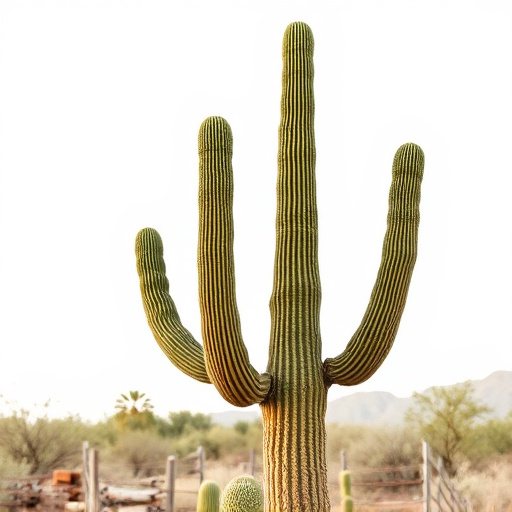
The saguaro cactus holds profound cultural significance for indigenous communities in Tucson, Arizona. Tucson Travel Tips emphasize ethical harvesting practices, including seeking tribal permission, participating in guided tours, and supporting sustainable initiatives. Visitors should respect sacred ceremonies, traditional ecological knowledge, and legal frameworks governing saguaro harvesting to preserve both nature and culture. Engaging with local tour operators and cultural centers ensures responsible tourism while fostering economic support for indigenous communities.
In the vibrant landscape of Tucson, Arizona, where the iconic Saguaro cacti thrive, a delicate balance must be struck between preserving cultural heritage and fueling tourism. Harvesting these majestic plants for souvenirs or decorative purposes has become a contentious issue, especially considering their profound significance in tribal cultures across the region. This article delves into the ethics surrounding Saguaro harvesting, exploring traditional Native American perspectives and offering Tucson Travel Tips for mindful visitors. By understanding the cultural context, we can ensure that our appreciation for these unique natural wonders respects and preserves ancient traditions.
- Understanding Saguaro Cultural Significance in Tucson
- Tribal Traditions: Harvesting Rituals and Protocols
- Ethical Considerations for Responsible Tourists
- Navigating Legal Frameworks: State and Tribal Laws
- Tucson Travel Tips: Respecting Sacred Spaces
- Sustainable Practices: Promoting Cultural Preservation
Understanding Saguaro Cultural Significance in Tucson
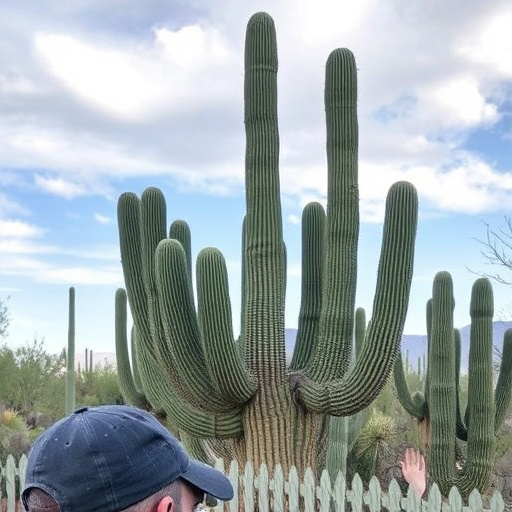
The saguaro cactus, a majestic symbol of the Sonoran Desert, holds profound cultural significance for indigenous communities in Tucson, Arizona. For Native American tribes such as the Tohono O’odham, these towering plants are more than just a natural resource; they are embedded in their history, rituals, and daily life. Understanding this cultural context is paramount when considering the ethical harvesting of saguaro cacti, especially for visitors to Tucson who may be unfamiliar with these traditions.
Tucson, known for its vibrant desert landscapes and rich cultural heritage, offers a unique blend of natural attractions and tribal insights. The city and surrounding areas are home to several Tohono O’odham communities, who have shared their knowledge about saguaro cacti for generations. These ancient plants provide sustenance, medicine, and materials for traditional crafts. The harvesting process is deeply intertwined with spiritual practices and ceremonies, reflecting the tribe’s profound connection to the land. Respecting these cultural traditions means recognizing the saguaro as more than just a curious plant—it becomes a vessel for preserving cultural identity and knowledge.
When visiting Tucson, adhering to ethical guidelines for saguaro harvesting is not just a responsible choice but also an opportunity to engage with local communities. Some key considerations include seeking permission from tribal elders or authorities before collecting any parts of the cactus, participating in guided tours led by indigenous guides who can provide valuable insights, and supporting organizations that promote sustainable practices and cultural preservation. By doing so, Tucson travel tips extend beyond exploring scenic routes; they encompass a respectful approach to co-existing with the rich cultural tapestry woven around these remarkable desert inhabitants.
Tribal Traditions: Harvesting Rituals and Protocols
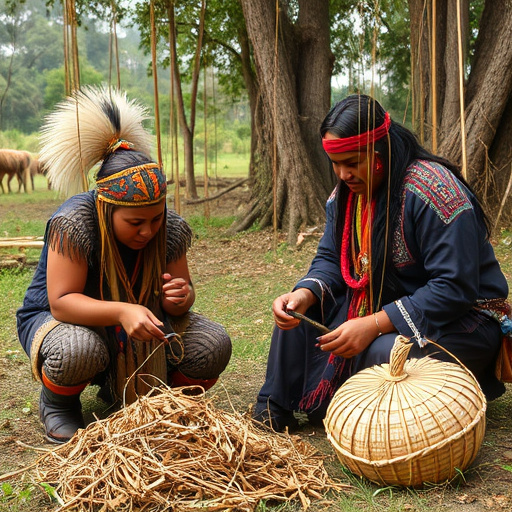
The Saguaro cactus holds a profound cultural significance for Native American tribes across the Southwest, particularly in regions like Tucson, Arizona. For centuries, these majestic giants have been integral to the spiritual practices, rituals, and sustenance of indigenous communities. In light of this rich heritage, any discussion around Saguaro harvesting must inherently respect and consider the tribal traditions deeply woven into their existence.
Tribal cultures across the region have developed intricate protocols for harvesting Saguaros, often involving sacred ceremonies and specific seasons. For instance, the Tohono O’odham people of southern Arizona perform a traditional ceremony called “Kik’oo” during which they bless and ask permission from the spirits of the Saguaro before cutting them. This ritual not only ensures spiritual respect but also promotes sustainable harvesting practices. Experts emphasize that understanding and adhering to these protocols are crucial for preserving cultural integrity and maintaining ecological balance. Tucson Travel Tips recommend visitors learn about and support these traditions, ensuring a respectful experience for both travelers and local communities.
Additionally, some tribes have specific knowledge regarding the various parts of the Saguaro used for different purposes, from medicinal remedies to ceremonial objects. This traditional ecological knowledge (TEK) has been passed down through generations, guiding sustainable use practices. By recognizing and valuing TEK, visitors can contribute to the preservation of these cultural traditions and foster a deeper appreciation for the intricate relationship between indigenous people and their natural environment.
Ethical Considerations for Responsible Tourists

Saguaro harvesting, a once-common practice in areas like Tucson, Arizona, has come under scrutiny as tourism grows. For responsible tourists visiting this vibrant region, understanding the ethical considerations surrounding Saguaro harvesting is essential. These majestic cacti hold immense cultural significance for Native American tribes, particularly those in the Southwest. Respecting their traditional use and conservation efforts is crucial when engaging in any interaction with these iconic plants.
Ethical harvesting practices involve seeking permission from local tribes before collecting parts of Saguaros, which often requires special permits. Many tourist attractions in Tucson offer educational experiences that highlight tribal perspectives and promote sustainable viewing practices. For instance, some eco-tourism initiatives involve guided hikes where visitors learn about the desert ecosystem’s delicate balance while also appreciating the cultural importance of these plants to local communities. It is essential for tourists to support such responsible tourism ventures that contribute positively to both conservation and cultural preservation.
Additionally, Tucson Travel Tips recommend practicing mindfulness when encountering Saguaros in their natural habitats. This includes refraining from damaging or defacing these living organisms and staying on designated trails to minimize disturbance to the ecosystem. By adhering to these guidelines, tourists can actively contribute to the protection of these ancient plants and honor the cultural traditions they embody. Such responsible behavior ensures that future generations can continue to appreciate and learn from these unique expressions of the region’s rich heritage.
Navigating Legal Frameworks: State and Tribal Laws

Navigating the legal frameworks surrounding Saguaro harvesting is a delicate matter, especially when considering the deep cultural significance these iconic cacti hold for Native American tribes. In Arizona, home to the vast majority of Saguaros, state laws govern their protection and collection. However, tribal sovereignty and traditional knowledge play pivotal roles in shaping local practices. For instance, the Tohono O’odham Nation, with their ancestral lands encompassing parts of southern Arizona, has specific regulations regarding Saguaro harvesting, reflecting their cultural connection to these plants.
Understanding this complex interplay requires a nuanced approach. Tucson Travel Tips suggest that visitors respect and adhere to local guidelines when exploring areas rich in Saguaros. Some tribes allow limited harvesting for ceremonial purposes, often with stringent permits and oversight. It’s crucial for enthusiasts to seek permission from tribal authorities and support sustainable practices promoted by these communities. For example, the Pima County Department of Environmental Health works closely with tribes to regulate cactus collection, ensuring traditional knowledge is preserved while allowing responsible tourism.
Expert opinion highlights that compliance with both state and tribal regulations is essential for ethical harvesting. This involves staying informed about permits, season restrictions, and collection limits. By following these guidelines, visitors can contribute to the preservation of Saguaro populations and honor the cultural heritage of Native American tribes. Additionally, many areas now offer alternative ways to interact with Saguaros, such as guided tours or educational programs, allowing visitors to appreciate these plants’ significance without directly harvesting them.
Tucson Travel Tips: Respecting Sacred Spaces

Tucson is renowned for its breathtaking landscapes and diverse cultural heritage, but for travelers, navigating the city’s sacred spaces requires a nuanced understanding of local traditions. Respecting indigenous customs, particularly regarding the harvesting of iconic Saguaro cacti, is not just ethical but also an essential aspect of responsible tourism in Tucson. The Saguaro, a symbol of the American Southwest, holds significant cultural value for Native American tribes, especially those in Arizona. Many tribal communities consider these majestic plants as sacred and an integral part of their ancestral lands.
In light of this, Tucson Travel Tips emphasize the importance of observing local customs when exploring areas rich in indigenous history. For instance, certain native tribes have specific protocols regarding the use and preservation of Saguaro cacti. Harvesting or even touching these plants without permission can be deeply disrespectful and offensive to their cultural practices. As a traveler, being mindful of these traditions ensures a harmonious visit and fosters positive interactions with local communities. It’s worth noting that many attractions in Tucson offer educational programs and guided tours that respect the cultural boundaries while providing visitors with an authentic experience.
To ensure respectful engagement, travelers should consider seeking guidance from local tour operators or cultural centers specializing in indigenous heritage. These resources can provide valuable insights into navigating sacred spaces and understanding the significance of various traditions. Additionally, being open to learning about different practices and showing appreciation for the rich cultural tapestry of Tucson will enhance your travel experience and contribute to a more sustainable and ethical tourism industry.
Sustainable Practices: Promoting Cultural Preservation
The vast Sonoran Desert landscape, home to iconic saguaro cacti, is not just a stunning natural wonder but also holds deep cultural significance for indigenous communities, particularly in Tucson and its surrounding areas. Sustainable harvesting practices are essential to preserving this delicate balance between nature and culture, ensuring that the traditional knowledge and customs of these tribes thrive alongside the unique ecological integrity of the region. When planning a trip to Tucson, understanding these ethical considerations is crucial for responsible travelers who wish to engage with local traditions while respecting their sanctity.
Tucson Travel Tips for sustainable saguaro harvesting include recognizing the cultural value embedded in these ancient plants. For Native American tribes like the Tohono O’odham, saguaro cacti are more than just a resource; they are integral to their creation stories, rituals, and spiritual practices. Harvesting traditions have been meticulously preserved over generations, passed down through oral histories and ceremonial practices. Travelers should approach these customs with profound respect, understanding that inappropriate gathering or commercial exploitation can cause irreparable harm to cultural heritage.
Promoting cultural preservation requires a holistic approach. One effective strategy is supporting indigenous-led initiatives that prioritize sustainable harvesting methods. Many local organizations offer educational tours and workshops, providing an opportunity for visitors to learn about the significance of saguaro cacti while also fostering economic support for these communities. By engaging in such activities, travelers can contribute directly to the preservation of traditional knowledge and ensure that Tucson’s cultural tapestry remains vibrant for future generations. This ethical approach allows visitors to appreciate the region’s unique charm while respecting its deep-rooted cultural heritage.
The article delves into the intricate relationship between Saguaro harvesting and Tucson’s cultural heritage, highlighting the importance of respecting tribal traditions. Key insights emphasize the deep cultural significance of Saguaro cacti to Native American tribes in the region, particularly in ancient harvesting rituals and protocols. Understanding these practices is essential for responsible tourists, who must navigate legal frameworks, including state and tribal laws, to ensure ethical interactions. Tucson Travel Tips underscore the value of respecting sacred spaces and embracing sustainable practices that promote cultural preservation. By integrating these learnings, visitors can contribute positively to the conservation of both natural and cultural resources while enriching their experience in this vibrant landscape.