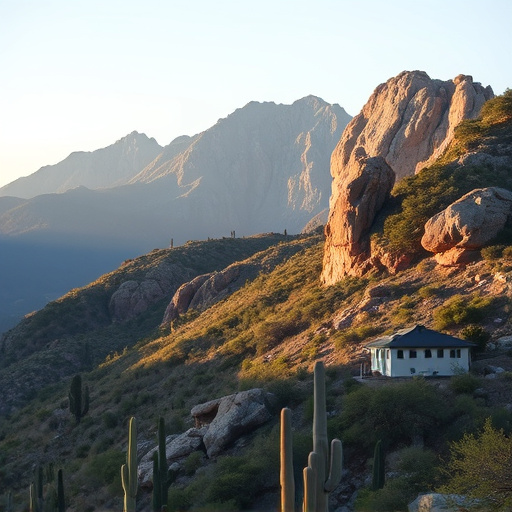
In Tucson, Arizona, the Saguaro cactus is a cultural treasure for Native American tribes, integral to their spiritual and practical lives. Tucson Travel Tips emphasize ethical harvesting practices, encouraging tourists to respect tribal traditions by learning about the cactus's significance and seeking permission before collecting any plant material. This approach ensures the preservation of ancient practices and unique ecosystems, allowing responsible tourism that values local heritage.
“Discover the intricate balance between nature, culture, and ethics in Tucson’s unique landscape with our article on Saguaro harvesting. Explore the profound cultural significance of these iconic cacti among local tribes and understand why ethical harvesting practices are essential. As a Tucson traveler, respecting tribal traditions and preserving natural resources should be at the forefront of your mind. Learn how responsible tourism contributes to the preservation of this ancient knowledge and the sustainability of our vibrant city’s ecosystems.”
- Understanding Saguaro Cultural Significance in Tucson
- Ethical Harvesting Practices: Respecting Tribal Traditions and Preserving Nature
Understanding Saguaro Cultural Significance in Tucson
In Tucson, home to a rich tapestry of cultural heritage, the Saguaro cactus holds immense significance for local Native American tribes. These towering giants, iconic to the Sonoran Desert landscape, are not just plants but deeply intertwined with the spiritual and practical lives of the region’s indigenous folks. For centuries, various tribal communities have utilized Saguaros for food, medicine, and ceremonial purposes, making their harvesting a sacred practice passed down through generations. Understanding this cultural context is essential for anyone exploring Tucson’s unique attractions, as it highlights the importance of respecting local traditions when engaging with natural resources.
Tucson Travel Tips encourage visitors to learn about and appreciate the nuanced relationship between the Saguaro cactus and the region’s indigenous cultures. By recognizing their spiritual value and traditional uses, tourists can contribute positively to the preservation of these ancient practices. This ethical approach ensures that the desert’s iconic imagery remains a vital part of Tucson’s cultural heritage for generations to come, fostering a harmonious connection between nature, culture, and those who visit this vibrant metropolis.
Ethical Harvesting Practices: Respecting Tribal Traditions and Preserving Nature

In the context of Tucson travel tips, ethical harvesting practices play a crucial role in respecting tribal cultural traditions and preserving nature. When visiting regions rich in indigenous heritage, such as those found in Arizona, it’s essential to understand that certain plants hold deep cultural significance for local tribes. The saguaro cactus, iconic to the Sonoran Desert, is one such plant. For Native American communities, the saguaro is more than just a flora; it’s a symbol of resilience and a vital component in their traditional way of life.
Ethical harvesting means adhering to guidelines that ensure the sustainability of these natural resources while honoring tribal cultural traditions. This involves seeking permission from local tribes before collecting any plant material, including saguaro cacti. Many tribes have specific rituals and protocols for gathering resources, and outsiders must show respect by following these practices. Furthermore, responsible tourists should support initiatives that promote sustainable use of natural resources, ensuring the preservation of these unique ecosystems for future generations to appreciate through Tucson travel tips and experiences.
In light of these insights, it’s clear that understanding the cultural significance of saguaros in Tucson is paramount for responsible tourism. When visiting this vibrant city, adhering to ethical harvesting practices and respecting tribal traditions ensures a meaningful experience for all. As you explore Tucson’s unique landscape, remember that preserving its natural heritage and cultural tapestry is a collective responsibility, making it an essential Tucson travel tip for mindful adventurers.