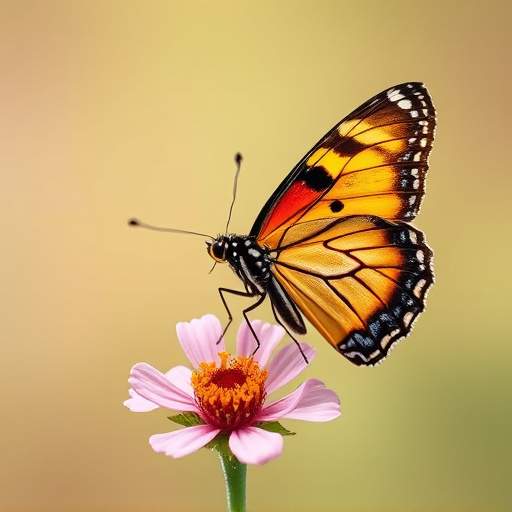
Tucson Butterfly Haven at Tucson Botanical Gardens is a spring highlight, showcasing diverse butterfly species against vibrant colors. Peak season (March-May) offers optimal conditions for observing butterflies feeding on nectar-rich flowers. Guided tours provide Tucson travel tips on conservation and life cycles, with eco-conscious practices emphasizing sustainable microclimates. Accessible pathways ensure a comfortable exploration for all visitors.
Tucson’s vibrant botanical gardens are a must-visit for any nature enthusiast, especially during the spring when the city becomes a haven for butterflies. As Tucson Travel Tips enthusiasts, we understand the allure of these delicate creatures flitting among the blooms. However, ensuring the best timing and experiencing the most diverse exhibits is crucial for a memorable visit. This article delves into the intricate world of butterfly displays at Tucson Botanical Gardens, offering valuable insights to maximize your spring trip, so you can witness nature’s most enchanting spectacles.
- Discover Tucson's Butterfly Haven: A Spring Travel Guide
- Exploring the Exhibits: Tucson Botanical Gardens Secrets Unveiled
Discover Tucson's Butterfly Haven: A Spring Travel Guide
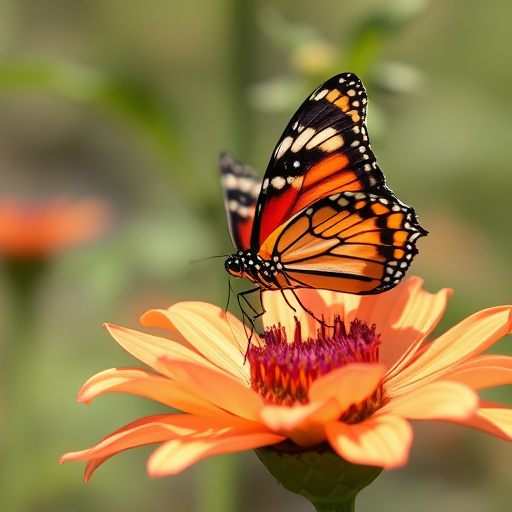
Tucson’s Butterfly Haven is a vibrant destination for spring travelers seeking a unique and enchanting experience. The Tucson Botanical Gardens boasts an impressive butterfly exhibit that showcases the beauty and diversity of these delicate creatures, making it a must-visit attraction during the region’s pleasant spring weather. This seasonal display offers visitors a chance to immerse themselves in a symphony of colors as they wander through lush gardens teeming with fluttering butterflies.
The gardens’ expert curators meticulously cultivate an environment that attracts a wide array of butterfly species, ensuring a dynamic and ever-changing spectacle. Spring, with its mild temperatures and abundant blooms, provides ideal conditions for these exhibits, allowing visitors to observe butterflies up close as they feed on nectar-rich flowers. Tucson’s mild climate makes it possible to enjoy the butterfly gardens year-round, but spring brings a special vibrancy that captivates both locals and visitors alike. Practical tips for Tucson travel include planning your visit during peak spring seasons, typically from March to May, when the botanical gardens are at their most vivid.
In addition to the breathtaking butterfly exhibit, the Tucson Botanical Gardens offer a diverse range of plant life, creating a sensory journey that appeals to nature enthusiasts. Visitors can explore trails winding through various habitats, each showcasing different desert flora. The gardens’ educational programs and guided tours provide valuable insights into the intricate relationship between butterflies, plants, and their ecosystems. These immersive experiences make Tucson’s butterfly haven not just a sightseeing destination but also an educational opportunity for all who appreciate the natural world.
Exploring the Exhibits: Tucson Botanical Gardens Secrets Unveiled
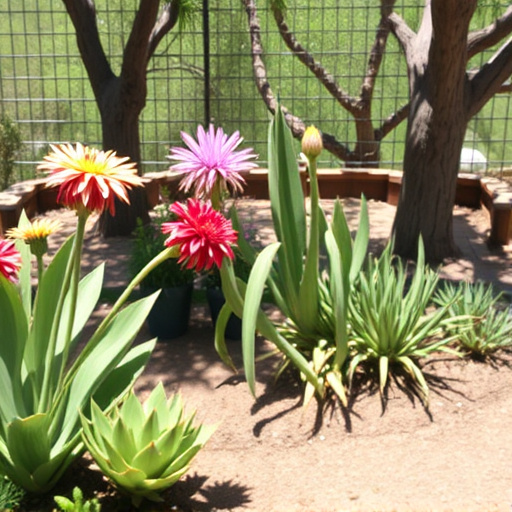
Tucson Botanical Gardens serve as a haven for nature enthusiasts, especially during the spring when the city comes alive with vibrant colors. One of the standout features is their butterfly exhibits, which offer visitors a captivating glimpse into the delicate beauty of these winged creatures. These exhibits are not just visually stunning but also educational, providing Tucson travel tips for those looking to enhance their understanding of butterfly habitats and conservation efforts.
The gardens’ diverse microclimates create ideal conditions for various butterfly species, allowing visitors to observe them in their natural habitats. Trained guides lead tours, sharing fascinating insights into the life cycles and behaviors of these insects. For instance, the Monarch butterfly’s remarkable migration patterns are a highlight, as guests learn about their annual journey spanning thousands of miles. Moreover, the exhibits emphasize the importance of local flora, showcasing how specific plant species attract and support different butterfly varieties.
Practical considerations make these exhibits accessible to all. Well-maintained pathways guide visitors through various zones, ensuring a comfortable exploration experience. Rest areas are strategically placed, allowing guests to take in the sights while relaxing. The gardens’ commitment to sustainability is evident in their water conservation practices and use of native plants, making it not just an educational but also an eco-conscious Tucson attraction.
Tucson’s Botanical Gardens offer a captivating butterfly exhibit that makes for an unforgettable spring travel experience. By exploring these vibrant displays, visitors gain a deeper understanding of local ecosystems and the importance of conservation. For those planning Tucson travel tips, this natural haven provides a unique opportunity to witness the beauty and fragility of these insects up close. The insights from this article reveal the Gardens’ secrets, guiding enthusiasts through a captivating journey, and encouraging responsible engagement with nature’s wonders.