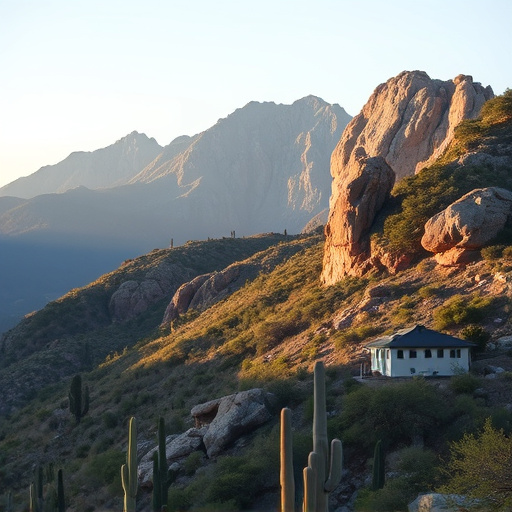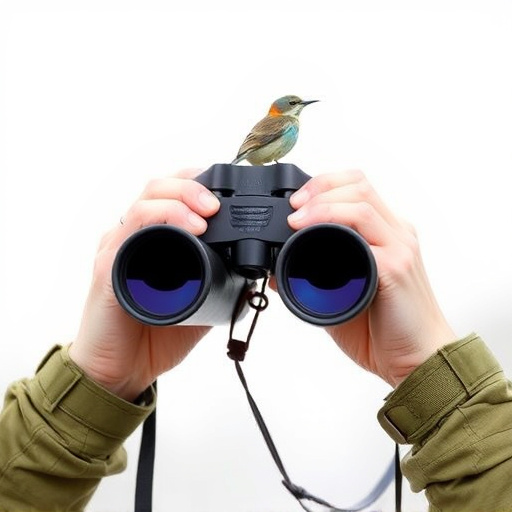
Tucson Travel Tips emphasize the importance of high-quality binoculars for birdwatching at Tohono Chul Park. Expert advice includes prioritizing clarity, comfort, and durability. Arrive before sunrise to observe diverse avian species actively feeding and flying. Dress appropriately, use guided maps, and explore trails like Desert Garden and Mesa for optimal bird viewing while preserving the park's ecological balance.
Tucson Travel Tips for birdwatchers highlight a hidden gem within the vibrant Tohono Chul Park. Morning excursions in this urban oasis demand a reliable companion—binoculars. With their aid, visitors can uncover a diverse avian population thriving amidst the park’s unique Sonoran Desert landscape. However, navigating this bustling natural symphony presents a challenge. This article offers an authoritative guide to optimal birdwatching experiences in Tohono Chul Park, ensuring visitors can fully immerse themselves in Tucson’s rich ecological tapestry.
- Choosing the Right Binoculars for Tohono Chul Park
- Understanding Bird Behavior in Tucson Travel Tips
- Best Times to Visit for Optimal Birdwatching
- Navigating the Park: A Guide to Hotspots and Routes
Choosing the Right Binoculars for Tohono Chul Park
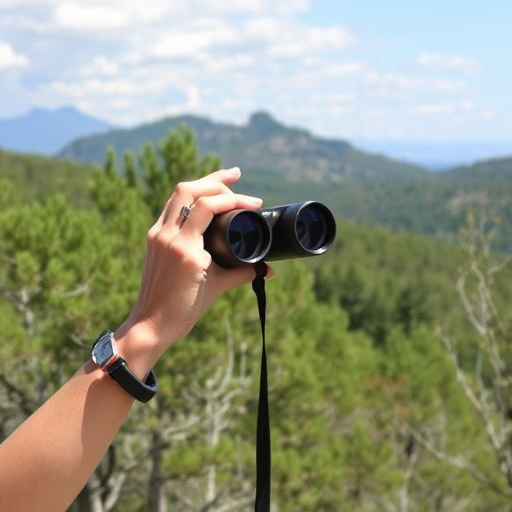
Choosing the right binoculars is essential for an enjoyable birdwatching experience at Tohono Chul Park, especially during early morning visits when wildlife activity peaks. The park’s diverse ecosystem attracts a vast array of bird species, making it a haven for ornithologists and amateur enthusiasts alike. Tucson Travel Tips suggest that investors prioritize clarity, comfort, and durability when selecting their optical equipment.
High-quality binoculars should offer sharp, crisp images without distortion, allowing birders to spot subtle features like feather patterns or beak shapes. Look for models with a wide field of view, enabling a broader observation area, which is particularly useful in the park’s open spaces. Waterproof and fog-proof designs are advantageous, considering Tucson’s often fluctuating weather conditions. Comfortable eye cups and a secure grip ensure prolonged viewing sessions without strain.
Opticians recommend testing different binoculars before making a purchase to ensure personal fit and preference. Many outdoor stores in the area offer demo models, allowing potential buyers to try them out during their Tohono Chul Park visits. Remember, investing in robust optics can significantly enhance your birdwatching excursion, fostering deeper connections with the park’s diverse avian inhabitants.
Understanding Bird Behavior in Tucson Travel Tips
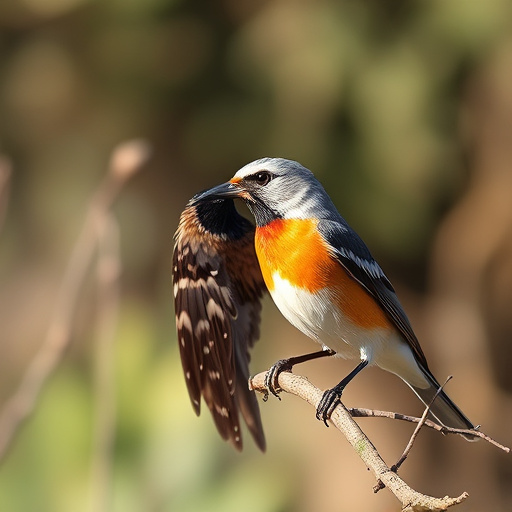
For a truly enriching experience at Tohono Chul Park, particularly focused on birdwatching, visitors are encouraged to bring binoculars for early morning excursions. Understanding bird behavior is key to maximizing your time in this diverse ecosystem. Tucson’s unique climate and habitat attract a vast array of avian species year-round, making it a hotspot for ornithologists and enthusiasts alike.
Birding experts suggest arriving before sunrise to catch the most active periods of bird behavior—when birds forage, sing, and interact. This is when the park truly comes alive with feathered friends, from colorful finches to majestic hawks. Utilizing binoculars allows you to spot these delicate creatures against the expansive backdrop of the Sonoran Desert, a sight that Tucson Travel Tips readers will surely cherish.
Practical advice for birdwatchers includes familiarizing yourself with local species guides and learning basic behaviors. Some birds are more active in the morning while others prefer the evening, so planning your visit accordingly can enhance your chances of observing diverse flocks. Remember to dress appropriately for the desert climate, wear comfortable shoes, and bring water to stay hydrated during your exploration.
Best Times to Visit for Optimal Birdwatching

The Tohono Chul Park, a vibrant haven for nature enthusiasts, offers an unparalleled birdwatching experience, especially during its morning hours. For optimal viewing, visitors are advised to plan their trips early in the day, armed with binoculars for a clear view of the diverse avian population. The park’s ecological diversity makes it a prime location, hosting over 350 species of birds throughout the year, according to recent studies by local ornithologists. This rich biodiversity is most active during sunrise, when birds awaken and begin their daily foraging routines.
Morning light brings out the colors and behaviors of these feathered inhabitants, making for an enchanting experience. Tucson’s climate also plays a pivotal role; the cooler temperatures in the early hours encourage birds to be more active and visible. According to Tucson Travel Tips, spring (March to May) and fall (September to November) are particularly ideal seasons, offering mild weather and abundant migration patterns. During these periods, you can expect to spot migratory species as well as year-round residents, creating a dynamic and ever-changing birdwatching scene.
To maximize your chances of a successful birdwatch, consider arriving at the park before sunrise, when the first rays of light start to peek over the horizon. This allows ample time to explore various trails and habitats before the heat of the day sets in, ensuring you’re well-placed to observe the park’s rich avian life.
Navigating the Park: A Guide to Hotspots and Routes
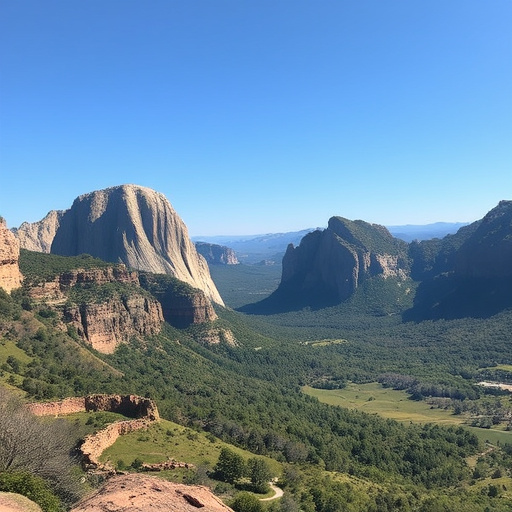
Tohono Chul Park offers a diverse range of habitats, from desert scrub to mesquite groves, making it an ideal birdwatching destination. Navigating the park effectively enhances your chances of spotting over 300 species of birds. Early mornings are particularly rewarding; the cooler temperatures entice various avian residents and migrants to become more active. Binoculars are essential tools for this endeavor—they allow you to observe birds in detail without disturbing their natural behavior.
To maximize your birdwatching experience, follow a strategic route. Start from the Park’s Visitor Center, where experienced staff can provide Tucson travel tips and guide you towards popular birding spots. The Center itself is often visited by species like the Western Scrub-Jay and Black-crowned Night-Heron. From there, head towards the Desert Garden Trail, known for its year-round bloom of native flora that attracts hummingbirds and various songbirds. Continuing along the Mesa Trail offers opportunities to see raptors like the Red-tailed Hawk soaring above the open spaces.
As you venture deeper into the park, explore the Riparian Preserve, a lush oasis alongside the Santa Cruz River. This area is particularly rich in bird diversity, featuring species such as the Great Blue Heron and the American Avocet. Keep an eye out for the rare and elusive birds that frequent this habitat. Remember to adhere to Tucson Travel Tips regarding trail etiquette and noise reduction to maintain the park’s ecological balance while enjoying its avian wonders.
Birdwatching at Tohono Chul Park offers a unique Tucson travel experience, and with the right binoculars, it can be an unparalleled adventure. By understanding bird behavior, choosing suitable optics, and timing your visit strategically, you’ll enhance your exploration of this vibrant ecosystem. The park’s diverse hotspots, detailed in our guide, allow for memorable interactions with nature. Equip yourself with knowledge from these Tucson travel tips, and you’ll be well-prepared to navigate and appreciate the rich avian life the park offers, making each trip a meaningful discovery.