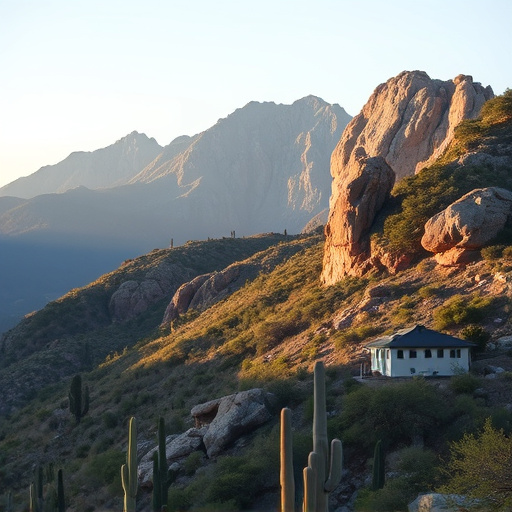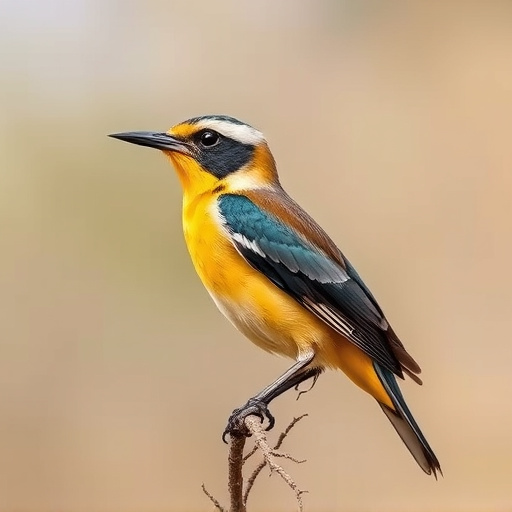
Tohono Chul Park in Tucson, Arizona, is a premier birdwatching destination year-round due to its unique microclimate and diverse ecosystems (Sky Island region). Optimal viewing times are just after sunrise (6:00-8:00 AM) from November to April, attracting over 350 species including rare finds. Key tips:
– Use high-quality binoculars (10x or higher) with waterproof & fog-proof designs for low light and clear desert views, as recommended by Tucson Travel Tips.
– Focus on specific trails at dawn to observe diverse species like Great-horned Owls, Indigo Buntings, Black-throated Blue Warblers, and peregrine falcons.
– Plan early morning visits for calmer conditions before the heat, ideal for migratory warblers and thrushes.
– Park offers accessible trails through desert washes, mesquite groves, and riparian areas suitable for all skill levels.
Tucson Travel Tips for birdwatchers: Exploring Tohono Chul Park’s Morning Skies
Birdwatching enthusiasts know the thrill of spotting rare species in their natural habitats. For those visiting Tucson, Arizona, Tohono Chul Park offers a unique opportunity to engage in this captivating pastime. However, to fully immerse oneself in the experience—especially during the early morning hours when many birds are most active—binoculars are an absolute necessity. This article delves into the art of birdwatching at Tohono Chul Park, providing expert Tucson Travel Tips on how to maximize your morning excursions and witness the park’s rich avian diversity.
- Best Times to Visit Tohono Chul Park for Birding
- Essential Gear: Binoculars for Tucson's Sky Island View
- Navigating the Park: Top Birdwatching Spots Revealed
- Seasonal Migrations: When to Expect Rare Species
- Tucson Travel Tips: Planning Your Birdwatching Getaway
Best Times to Visit Tohono Chul Park for Birding
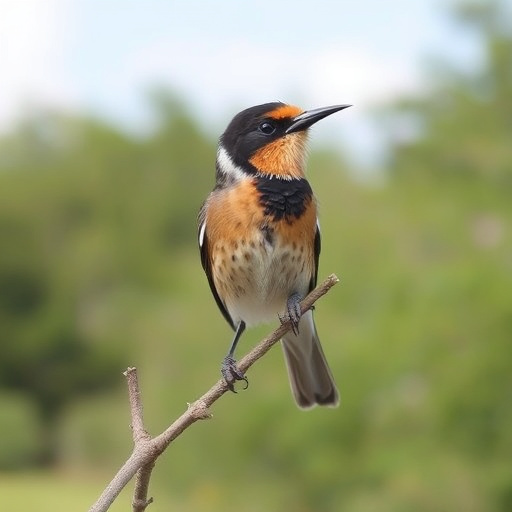
For birdwatchers seeking a diverse and abundant avifauna, Tohono Chul Park offers an unparalleled experience, especially during the early morning hours. The park’s strategic location in Tucson, Arizona, provides a microclimate that attracts a wide range of species year-round. According to local ornithologists, the best time to visit for optimal bird viewing is just after sunrise, typically between 6:00 and 8:00 AM. During these early hours, many migratory birds are still active, having arrived the night before to rest and feed before continuing their journey. This period also coincides with the park’s peak activity levels, as resident species become more visible.
Tucson Travel Tips suggest that November through April are particularly favorable months for birdwatching. These cooler months see an influx of migratory birds from Canada and other northern regions, ensuring a vibrant display of colors and varied species. The park’s diverse habitats, including mesquite bosques, desert scrub, and riparian areas, support over 350 bird species, making it a true haven for enthusiasts. Experienced birders can expect to spot rare finds such as the Western Tanager, Blue-gray Gnatcatcher, and even the elusive Elan.
To maximize your chances of successful bird identification, experts recommend using binoculars with at least 8x magnification. A well-equipped birder will also carry a field guide specific to the region, enabling them to quickly confirm sightings. It’s advisable to wear comfortable clothing and shoes suitable for walking on varied terrain, as some of the best viewing spots may be accessed through trails that wind through the park’s diverse ecosystems.
Essential Gear: Binoculars for Tucson's Sky Island View
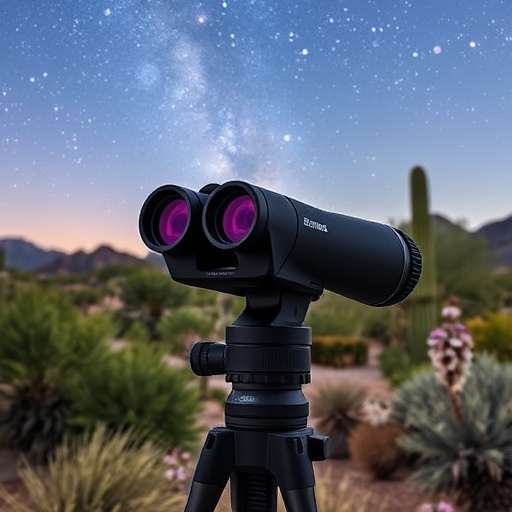
For avid birdwatchers visiting Tohono Chul Park, securing a set of high-quality binoculars is paramount. Tucson’s unique Sky Island ecosystem presents an unparalleled opportunity to observe diverse avian species, from colorful hummingbirds flitting among saguaro cacti to majestic golden eagles soaring on thermals. Morning hours, when birds are most active and the light is softer, are ideal for birdwatching. However, to make the most of this experience, visitors should be prepared with the right equipment—binoculars designed to enhance visibility and comfort during extended viewing sessions.
When selecting binoculars, look for models optimized for low-light conditions, featuring high magnification (10x or higher) and wide fields of view. These specifications enable birdwatchers to spot delicate forms in dense vegetation from comfortable distances, without straining their eyes. Tucson’s diverse landscapes demand versatile optics that can adapt to various viewing scenarios, from scanning open grasslands to peering into creosote bushes. Waterproof and fog-proof designs are essential, as weather conditions in the Sonoran Desert can change rapidly, ensuring clear views during unexpected storms or morning fogs.
Tucson Travel Tips suggest investing in a pair of binoculars that offer both performance and longevity. Reputable brands catering to birdwatching enthusiasts often provide detailed specifications, user reviews, and comparisons to guide informed decisions. Proper care for these instruments is equally vital; cleaning them regularly with lens cloths and avoiding extreme temperatures will preserve their optical quality. With the right set of binoculars, Tohono Chul Park becomes a haven for birdwatchers, unlocking the secrets of Tucson’s rich Sky Island biodiversity like never before.
Navigating the Park: Top Birdwatching Spots Revealed

Tohono Chul Park, a sprawling oasis on Tucson’s eastern edge, presents an unparalleled birdwatching experience, especially for those equipped with binoculars. The park’s diverse ecosystems, from Sonoran desert to mesquite bosques, serve as a magnet for a vast array of feathered visitors. To maximize your time in this avian paradise, strategic planning is key, and prioritizing specific birdwatching spots within the park is essential.
One of the most productive areas begins near the West Entry, where a network of trails meanders through dense stands of mesquite and palo verde trees. These riparian habitats attract a plethora of species, including the striking Great-horned Owl and the elusive Northern Mockingbird. As you progress along these trails, keep an eye out for the vibrant blue wings of the Indigo Bunting—a true Tucson treat. For those with a bit more endurance, the East Trail offers a different experience, leading through open desert landscapes where you might spot the distinctive Black-throated Blue Warbler or the robust Mountain Chickadee.
Tucson Travel Tips suggest exploring these areas early in the morning, when birds are most active and visible. The tranquility of dawn also allows for focused observation without the din of daytime chatter. Remember to wear comfortable shoes and bring water, as Tohono Chul’s beauty demands a committed stroll. By selecting specific hotspots and utilizing Tucson’s ideal morning conditions, birdwatchers can enjoy an immersive experience, discovering the rich biodiversity that makes this park a true natural gem.
Seasonal Migrations: When to Expect Rare Species
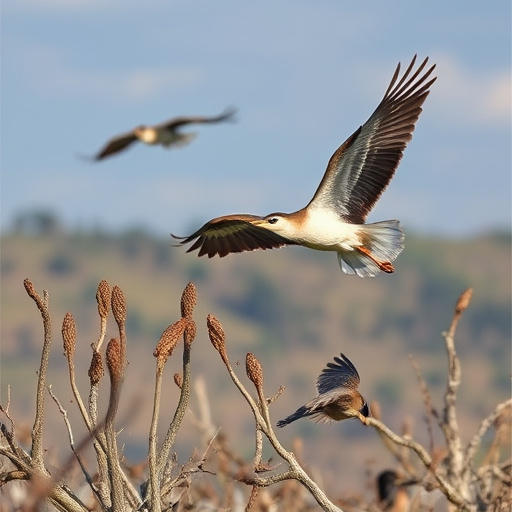
The Tohono Chul Park, with its vast landscapes and diverse ecosystems, is a birdwatching paradise, especially during seasonal migrations when rare species make their appearance. Understanding these migratory patterns can significantly enhance your birdwatching experience in Tucson. One of the best times to visit is early morning, when many migratory birds are most active, and binoculars prove indispensable for spotting distant feathered friends.
Tucson’s strategic location along the Pacific Flyway makes it a popular stopover for countless avian species traveling between North and South America. Spring (March-May) and fall (September-November) are peak migration seasons, offering unique opportunities to observe a wide array of birds. During these times, you can expect to see warblers, thrushes, vireos, and even the elusive peregrine falcon, all adding to the park’s already rich biodiversity. Tucson Travel Tips recommend arriving early to take advantage of the calmer environment before the heat sets in, ensuring a more relaxed birdwatching experience.
For the dedicated birder, exploring Tohono Chul Park during seasonal migrations can be a game-changer. Rare species such as the yellow-billed cuckoo and the black-throated blue warbler have been spotted here during their northward journey, providing an exciting chance to add these birds to your life list. It’s advisable to check with the park rangers for any specific events or guided tours focused on migratory patterns, ensuring you’re well-prepared with the right gear and knowledge.
Tucson Travel Tips: Planning Your Birdwatching Getaway
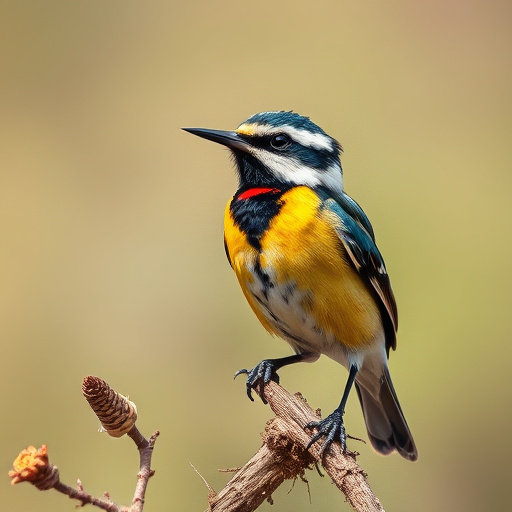
For the avid birdwatcher planning a trip to Tucson, Tohono Chul Park offers a unique and rewarding experience. One of the best ways to explore this diverse ecosystem is through birdwatching, especially during the early morning hours. Binoculars are an essential Tucson travel tip for visitors interested in spotting the park’s wide variety of avian life. The tranquility of dawn brings out a symphony of songbirds, migrants, and resident species alike, making it the perfect time to observe these feathered creatures in their natural habitat.
The park boasts over 350 species of birds, according to recent studies, ranging from majestic raptors like eagles and hawks to colorful finches and warblers. With such biodiversity, birdwatchers can expect a rich and diverse experience. To maximize your chances of successful observation, it’s advisable to arrive early, before the heat sets in, when birds are most active. The peaceful atmosphere of Tohono Chul Park in the mornings provides an ideal setting for focusing on these delicate creatures and appreciating their beauty and behavior up close through your binoculars.
Additionally, the park offers various trails catering to different skill levels, ensuring a suitable experience for both beginners and experienced birdwatchers. These trails are well-maintained and provide easy access to diverse ecosystems, including desert washes, mesquite groves, and riparian areas, each attracting unique bird species. Tucson travel guides often highlight Tohono Chul Park as a must-visit destination for nature enthusiasts, promising an authentic connection with the region’s rich biodiversity.
Birdwatchers visiting Tohono Chul Park in Tucson stand to witness a vibrant tapestry of avian life, thanks to strategic planning and essential gear like binoculars. The best times to visit align with morning hours for optimal viewing of both resident and migratory species. Understanding seasonal migrations offers the chance to spot rare birds, making it a true treasure hunt for nature enthusiasts. For those planning a Tucson travel tip-informed birdwatching getaway, navigating the park’s top spots reveals an enhanced experience. By combining these insights from the article, visitors can maximize their time in Tohono Chul Park, ensuring memorable encounters with Tucson’s diverse feathered inhabitants.