Tucson Travel Tips emphasize protective gear against intense sun exposure and staying hydrated while exploring desert botanical gardens. Essential items include wide-brimmed hats and hydration packs to prevent heat-related illnesses in the arid climate. These precautions enable visitors to appreciate unique plant life adaptations, cultural knowledge, and ecological conservation efforts, all while safely enjoying Tucson's natural heritage.
Desert botanical gardens are thriving oases in the heart of Tucson’s arid landscape, attracting visitors worldwide with their unique beauty and biodiversity. However, navigating these lush enclaves during the scorching summer months can be a challenge. This article, based on extensive Tucson Travel Tips, delves into the essential equipment for a comfortable and memorable experience: sun hats and hydration packs. We explore why these seemingly simple items are crucial for enjoying the vibrant flora and fostering a genuine connection with this extraordinary natural environment.
- Understanding Desert Botanical Gardens: Tucson Travel Tips
- Essential Gear: Sun Hats for Arid Environments
- Hydration Packs: Stay Quenched in the Heat
- Navigating Extreme Conditions: Safety Measures
- Educational Benefits and Local Flora Exploration
Understanding Desert Botanical Gardens: Tucson Travel Tips
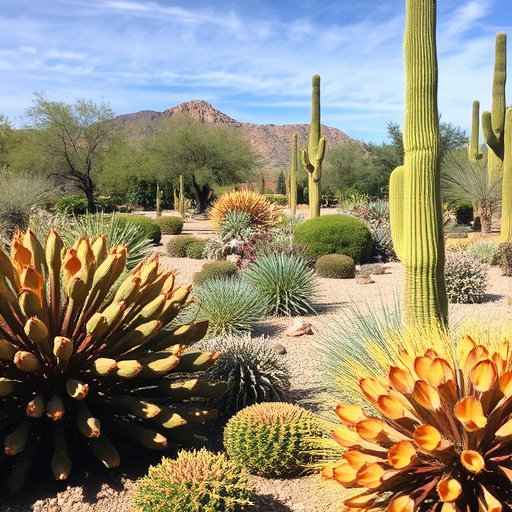
Desert botanical gardens, like those found in Tucson, Arizona, present a unique blend of natural beauty and ecological significance. These oases within arid landscapes require a deep understanding of their environment to thrive. For visitors exploring these garden havens, Tucson travel tips emphasize the importance of preparation, especially when navigating such extreme conditions. The scorching sun, often intense in desert regions, demands protection; thus, a good sun hat becomes not just an accessory but an essential defense against the harsh UV rays.
Hydration is another critical aspect, and travelers should be mindful of this fact. Carrying hydration packs is a practical solution, offering easy access to water during garden excursions. Tucson’s desert botanical gardens showcase a wide array of plant life adapted to survive in arid conditions, making for breathtaking views. However, visitors must also adapt to the environment to fully appreciate these natural wonders. By embracing the necessary precautions and utilizing Tucson travel tips, one can ensure a memorable experience that respects and conserves these delicate ecosystems.
Essential Gear: Sun Hats for Arid Environments

Desert botanical gardens, like those found in Tucson, Arizona, present a unique challenge for visitors due to their arid environments. Protection against intense sun exposure is paramount, making sun hats an essential piece of gear for any traveler exploring these natural wonders. The scorching desert sun can quickly lead to dehydration and heat exhaustion if proper precautions aren’t taken, underlining the critical need for protective clothing and hydration packs.
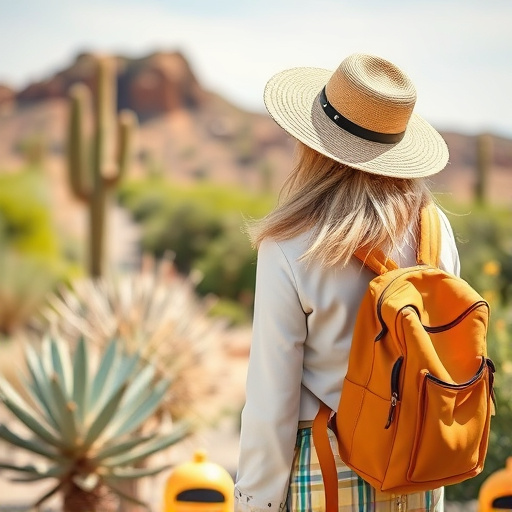
In Tucson, where temperatures often soar above 100°F (38°C) during summer months, a wide-brimmed hat that provides shade to the face, neck, and ears is indispensable. Look for hats made from lightweight, breathable fabrics that reflect sunlight rather than absorbing it. Solar radiation management is key; such hats can significantly reduce the risk of sunburn and heat-related illnesses. Many outdoor enthusiasts opt for bucket hats or wide-brimmed cowboy hats, both popular choices among Tucson’s visitors due to their effectiveness in shielding against the relentless desert sun.
Tucson Travel Tips recommend investing in a high-quality sun hat as part of your essential travel kit. Not only will it enhance your comfort during botanical garden tours and other outdoor activities, but it could also prevent serious health issues related to excessive sun exposure. Remember, hydration is equally vital; carry refillable water bottles designed for easy refilling at water stations found throughout the city’s many parks and gardens. By combining adequate sun protection with consistent hydration, visitors can fully appreciate the beauty of Tucson’s desert botanical gardens while safeguarding their well-being.
Hydration Packs: Stay Quenched in the Heat
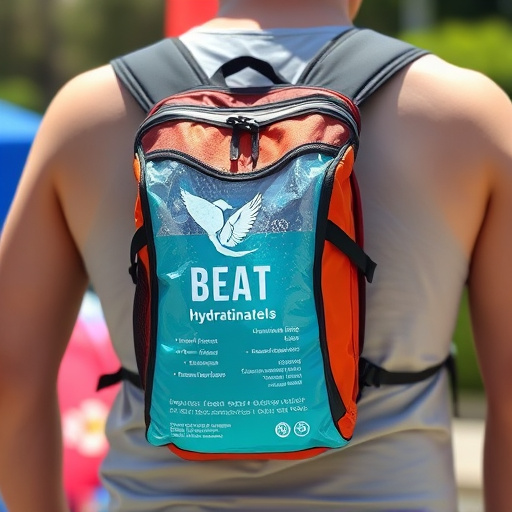
Desert botanical gardens, like their namesake, thrive in some of the most arid climates on Earth. In these environments, staying hydrated is not just a recommendation—it’s a necessity. Visitors to these lush oases, from the famous Desert Botanical Garden in Phoenix to lesser-known gems across Arizona, must be prepared for intense heat and sun exposure. One of the most effective tools in a visitor’s arsenal against dehydration is the hydration pack.
Hydration packs, also known as water backpacks or hydration systems, are designed to carry and dispense water while allowing users to move freely. Unlike traditional water bottles, these packs are worn like a backpack and often include a reservoir that can be refilled from external sources, such as water fountains or refill stations strategically placed throughout the garden. Tucson Travel Tips recommends packing your own hydration pack when exploring desert botanical gardens, especially during peak summer months when temperatures can soar above 100°F (38°C). A study by Arizona State University found that visitors who used hydration packs reported significantly lower rates of dehydration and heat-related illnesses compared to those relying solely on conventional water bottles.
Choosing the right hydration pack is crucial for optimal comfort and effectiveness. Look for packs with adjustable straps, a comfortable fit, and easy-to-use drinking tubes or straws. Some models even include insulation to keep your water cool longer, particularly useful in the midday sun. Remember, staying hydrated isn’t just about quenching your thirst; it’s about ensuring your body can function at its best while exploring these natural wonders. By incorporating a hydration pack into your desert botanical garden visit, you’ll be better equipped to enjoy the vibrant flora and serene landscapes without the constant worry of running out of water.
Navigating Extreme Conditions: Safety Measures
Navigating extreme conditions is paramount when visiting desert botanical gardens, particularly in regions like Tucson known for scorching summer temperatures. The arid climate presents unique challenges for both visitors and plant life, underscoring the importance of robust safety measures. According to local Tucson travel tips, a significant number of tourists suffer from heat-related illnesses each year, highlighting the necessity for proactive precautions.
Essential safety equipment includes high-quality sun hats that provide ample shade, preferably with wide brims. These accessories not only protect against the intense desert sun but also help in maintaining core body temperature. Additionally, hydration packs are indispensable. They allow visitors to stay properly hydrated without the hassle of carrying bottles, ensuring a more enjoyable and safe experience amidst the hustle and bustle of the garden. Many gardens offer water stations along scenic paths, encouraging visitors to remain well-hydrated throughout their tour.
Experts recommend frequent breaks in shaded areas, even during seemingly mild weather conditions. The desert sun can be deceptively intense, with temperatures climbing rapidly after midday. Wearing lightweight, breathable clothing and using sunscreen with a high SPF is crucial. Following these Tucson travel tips not only enhances the visitor experience but also significantly reduces the risk of heat exhaustion and other heat-related ailments, ensuring that guests can fully appreciate the garden’s beauty and biodiversity.
Educational Benefits and Local Flora Exploration
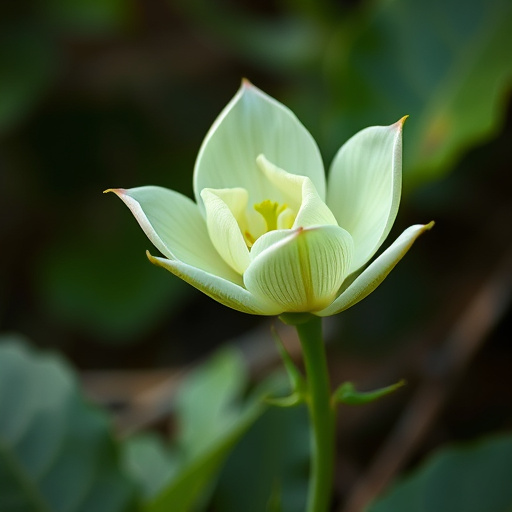
Desert botanical gardens offer a unique opportunity to explore and appreciate the local flora, making them not just scenic oases but also educational hubs. These gardens, like the one in Tucson, Arizona, are designed to showcase the region’s native plants that have adapted to survive in arid conditions. By providing visitors with hands-on experiences and insightful tours, they foster a deeper understanding of desert ecosystems. For instance, many botanical gardens offer self-guided walks or guided tours that explain the unique adaptations of each plant, such as their water-efficient structures or protective mechanisms against extreme heat. This educational aspect is vital for raising awareness about conservation efforts and sustainable practices in arid environments.
One of the practical insights gained from visiting these gardens is the importance of proper hydration for both plants and visitors. Given the desert’s harsh conditions, staying hydrated is crucial for survival. Tucson Travel Tips suggest packing hydration packs to replenish water levels throughout your exploration. This simple action ensures you can fully engage with the garden’s offerings without compromising your health. Moreover, many botanical gardens in desert regions emphasize the use of local, drought-tolerant plants in their design, providing practical examples for gardeners and homeowners looking to reduce water consumption while enhancing their outdoor spaces.
Additionally, these gardens serve as living classrooms, offering insights into traditional knowledge and practices of indigenous communities who have long inhabited these arid lands. By showcasing the cultural significance and historical use of native plants, visitors gain a more comprehensive understanding of the region’s heritage. For example, some desert botanical gardens feature demonstrations of traditional harvesting techniques or explain the medicinal properties of local plants, all while emphasizing the importance of preserving biodiversity. This integration of culture and ecology enriches the visitor experience, turning a simple garden visit into an educational adventure that resonates with Tucson’s rich history and natural wonders.
Desert botanical gardens, like those found in Tucson, offer a unique opportunity to explore resilient plant life adapted to harsh conditions. When planning a visit, incorporating essential gear is paramount. Key takeaways from this article underscore the importance of sun hats for protection against intense desert sunlight and hydration packs to combat dehydration during hot weather. Navigating these extreme conditions requires safety measures, but the benefits extend beyond physical well-being. Exploring local flora can enhance understanding of arid environments and foster appreciation for the region’s unique botanical tapestry. Tucson Travel Tips highlight these essential elements, ensuring visitors not only stay safe but also gain a deeper connection with the desert ecosystem.