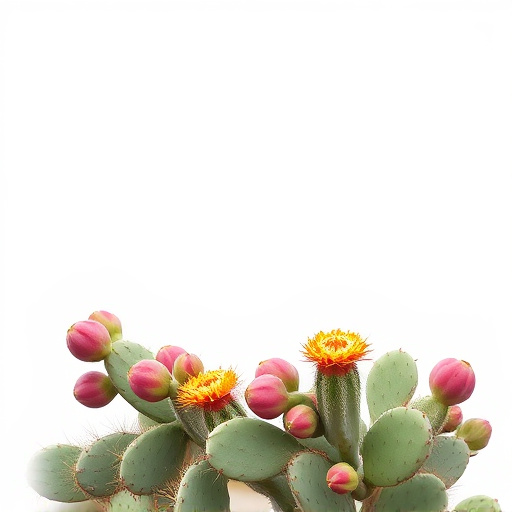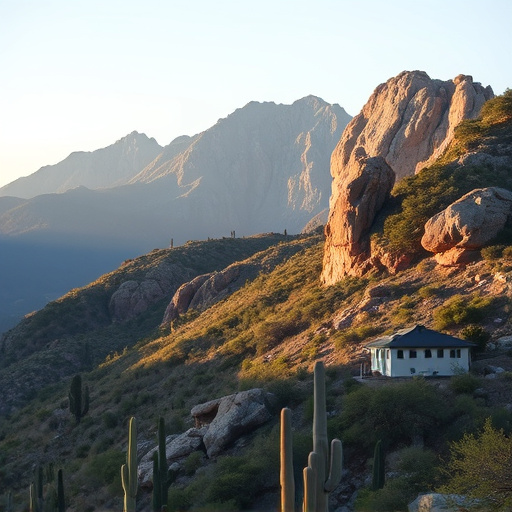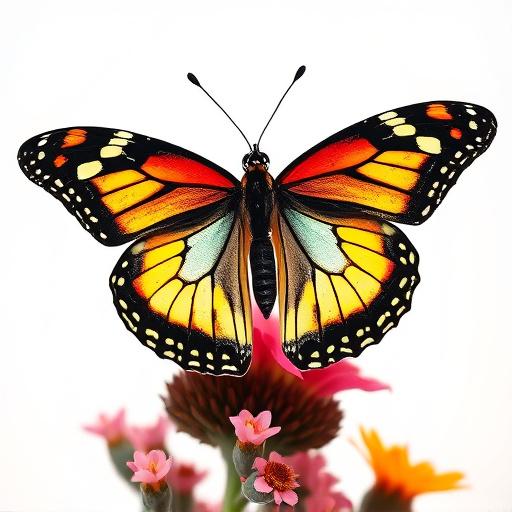
Tucson Botanical Gardens (TBG) offers prime Tucson travel tips for spring, showcasing 250 butterfly species amidst indigenous plants. Highlights include a tropical butterfly house with rare global species and expert insights on life cycles. Plan your visit with these tips: arrive early, explore popular areas like the Desert Butterfly Garden, time your visit for midday, check the forecast, and utilize self-guided tours or join groups. TBG promotes sustainability and education, creating a unique chance to connect with nature up close.
Tucson is a destination celebrated for its vibrant biodiversity and unique landscapes, making it a haven for nature enthusiasts. Among the city’s gems are the Tucson Botanical Gardens, which play host to an annual butterfly exhibit that springs to life each season. This spectacular event attracts visitors from far and wide, eager to witness the delicate beauty of these winged wonders in their natural habitat. However, planning a visit requires strategic timing due to the ephemeral nature of these exhibits. Herein lies a valuable Tucson Travel Tip: understanding the best times to visit ensures a memorable experience, allowing travelers to fully appreciate the intricate dance of butterflies and flora during their fleeting presence each spring.
- Discovering Tucson's Butterfly Paradise: A Spring Voyage
- Navigating the Gardens: Tips for an Optimized Visit
- Seasonal Highlights: When Butterflies Thrive in Tucson
Discovering Tucson's Butterfly Paradise: A Spring Voyage
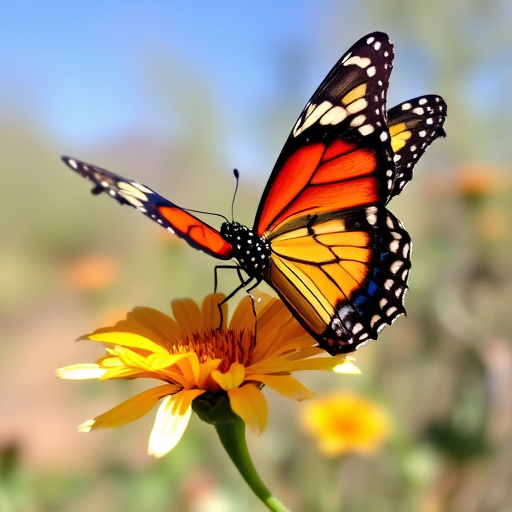
Tucson Botanical Gardens (TBG) is a vibrant oasis, especially during spring when the butterfly exhibits come to life. This seasonal spectacle attracts both local and visiting nature enthusiasts alike, making it an indispensable stop for those seeking Tucson travel tips. The gardens boast an extensive collection of indigenous plants that serve as a natural haven for butterflies, with nearly 250 species recorded. As the weather warms, these delicate creatures emerge, gracing the lush landscapes with their presence. Spring offers the perfect balance of mild temperatures and abundant flora, creating ideal conditions for observing these fascinating insects in their element.
Visitors can embark on a journey through diverse habitats replicated within the gardens, each showcasing unique butterfly behaviors. From the open grasslands to shaded forest areas, TBG’s exhibits provide a microcosm of Arizona’s biodiversity. One of the highlights is the tropical butterfly house, where rare species from around the globe flutter among vibrant blooms. Experts on hand offer insights into the intricate life cycles and conservation efforts, ensuring visitors leave with a deeper appreciation for these often-misunderstood creatures. The gardens also host educational programs and events, allowing guests to engage in activities that foster an understanding of local ecosystems.
Practical considerations are paramount when planning a visit. TBG is open daily, with extended hours during spring to accommodate the increased visitor volume. It’s advisable to arrive early to beat the heat, especially on hotter days. The gardens offer a range of amenities, including a gift shop and café, ensuring visitors can immerse themselves fully in the experience without distraction. With its commitment to sustainability and education, Tucson Botanical Gardens provides a unique opportunity to connect with nature up close.
Navigating the Gardens: Tips for an Optimized Visit

Navigating Tucson Botanical Gardens during your spring visit requires a strategic approach to make the most of this butterfly haven. The Gardens are renowned for their diverse butterfly exhibits, which thrive in the region’s mild climate. Plan your route in advance to ensure you experience each exhibit fully. One effective strategy is to start with the more popular areas, such as the Desert Butterfly Garden, known for its vibrant species like the Monarch and Queen. This early visit ensures less congestion, allowing for a peaceful exploration of these delicate creatures’ natural habitats.
As you move through the Gardens, Tucson travel tips suggest taking advantage of the self-guided tours or joining a guided group to gain insights into the various ecosystems. The Garden’s maps are detailed, marking the locations of different exhibits and providing valuable information about each species. For instance, the Tropical Butterfly House offers a year-round oasis with species like the Blue Morpho, known for its striking blue wings. By following these paths, visitors can avoid getting lost in the labyrinthine beauty of the Gardens and ensure they don’t miss any highlights.
For an optimized visit, time your journey during peak butterfly activity, typically midday when the sun is at its warmest. This is when butterflies are most active and likely to be seen in all their glory. Additionally, spring brings a burst of new arrivals, making it an ideal season for species diversity. Remember, Tucson’s weather can be unpredictable, so checking the forecast before your visit is essential. Dress appropriately with layers to adapt to changing conditions, ensuring a comfortable exploration of these natural wonders.
Seasonal Highlights: When Butterflies Thrive in Tucson
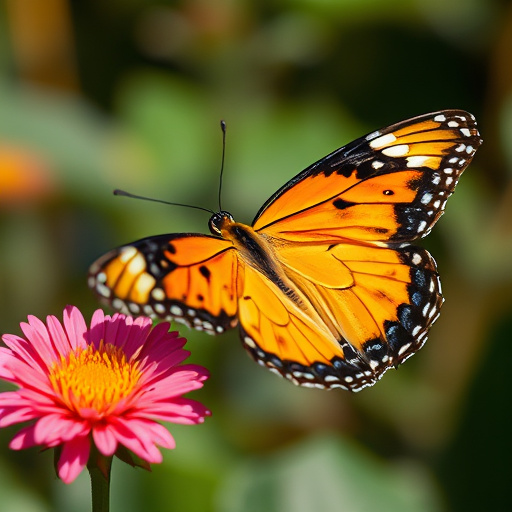
Tucson’s Botanical Gardens play host to a stunning spectacle each spring as butterfly exhibits reach their peak. This seasonal highlight attracts both local folks and Tucson travel tips enthusiasts alike, who gather to witness these ethereal creatures flitting among the lush flora. The gardens, known for their diverse plant collections, become an even more enchanting destination during this time, offering visitors a unique opportunity to connect with nature up close.
The butterflies thrive in the region’s spring climate, which provides the perfect balance of warmth and moisture. As temperatures rise, these winged wonders emerge from their pupal stages, filling the air with a mesmerizing dance. Expertly curated exhibits showcase various species, each more captivating than the last. Visitors can observe rare varieties alongside common types, all while learning about their life cycles and habitats. The gardens’ dedicated staff ensures the well-being of these delicate insects, providing optimal conditions for their display.
One of the most remarkable aspects is the timing of these exhibits. Tucson’s spring months, typically from March to May, present ideal conditions for butterfly viewing. This period aligns perfectly with school breaks and holiday schedules, making it an ideal time for families to explore. By embracing these seasonal highlights, visitors can enhance their Tucson travel experience, creating lasting memories against the backdrop of vibrant blooms and graceful butterflies.
Tucson Botanical Gardens’ butterfly exhibits are a springtime must-visit, offering a vibrant spectacle of nature’s beauty. By following the practical Tucson travel tips outlined in this article, visitors can optimize their experience, ensuring a memorable journey through these seasonal highlights. With detailed insights into navigating the gardens and understanding butterfly behavior, readers are now equipped to explore this captivating destination, immersing themselves in the intricate dance of butterflies and flowers that makes Tucson a true paradise for nature enthusiasts.